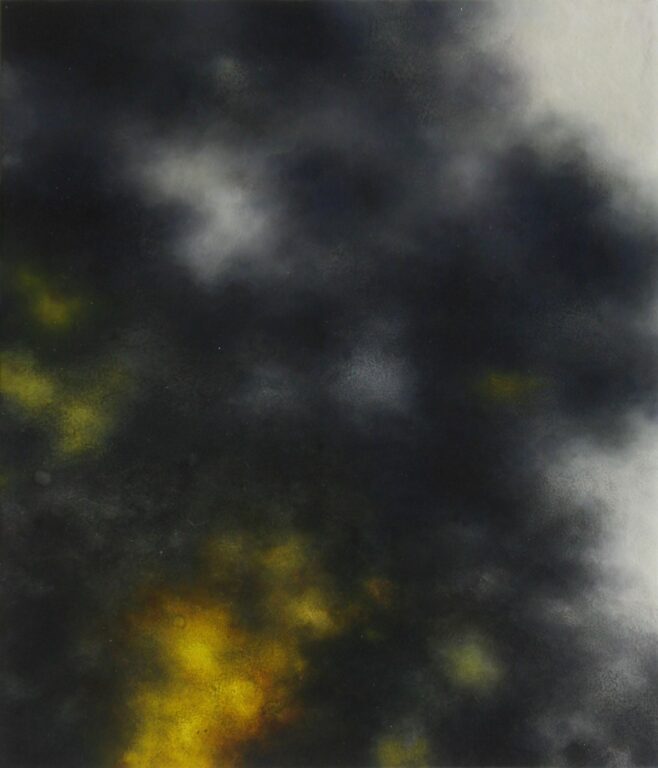
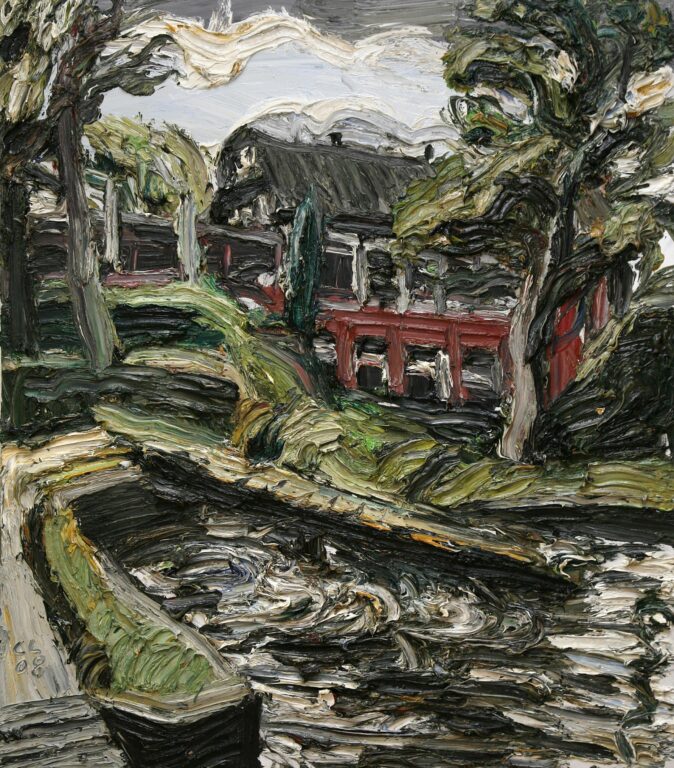
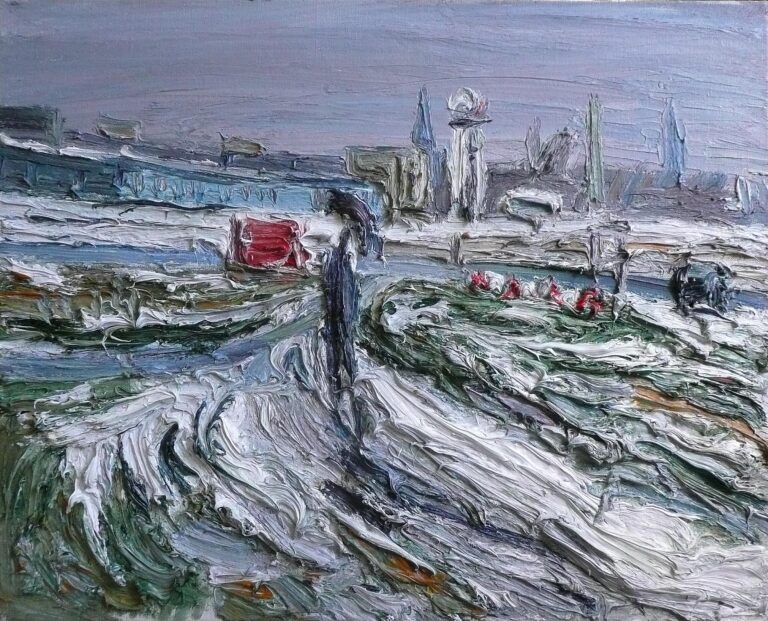
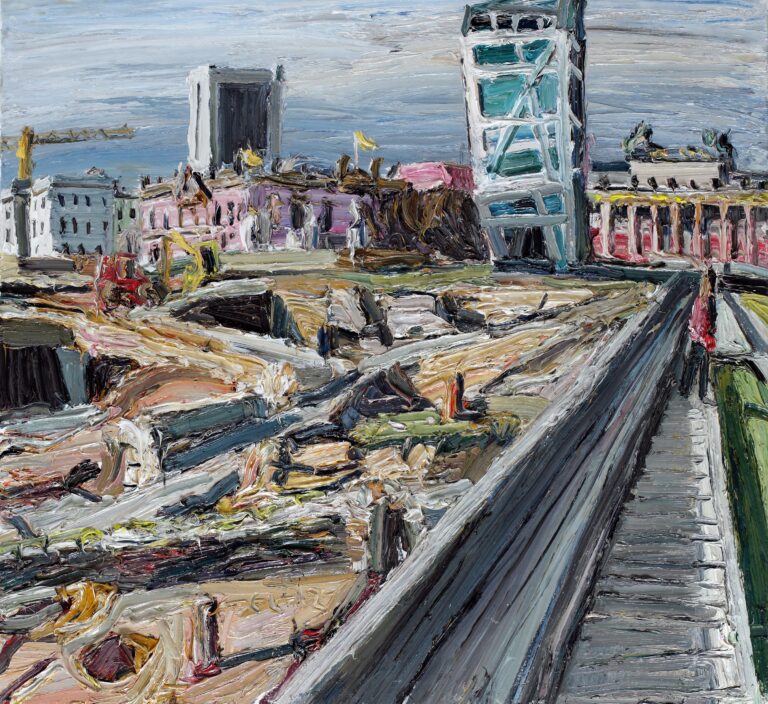
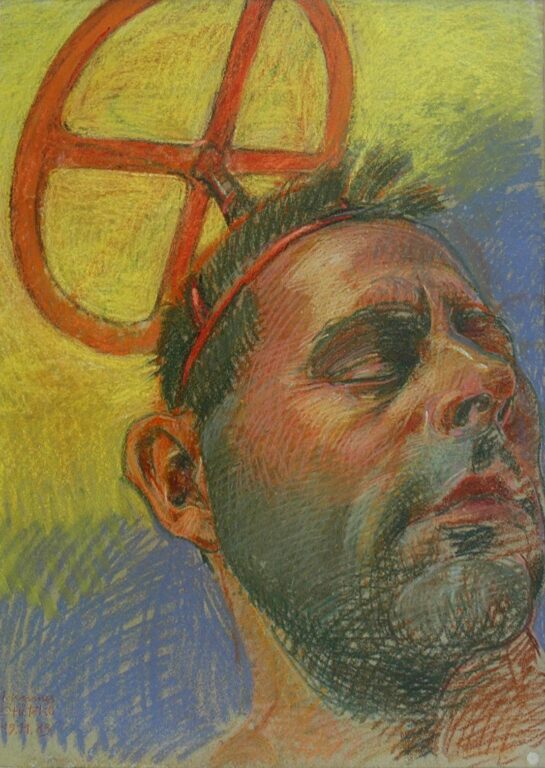
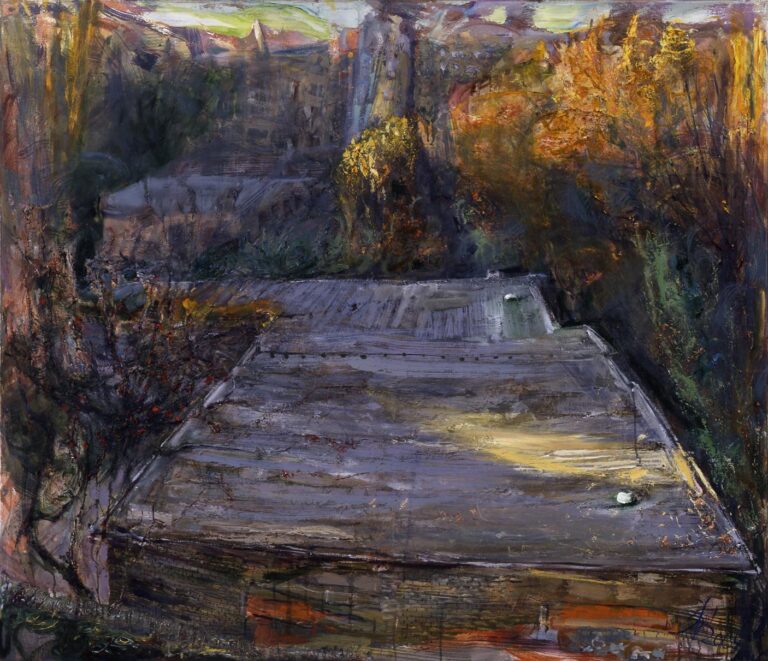
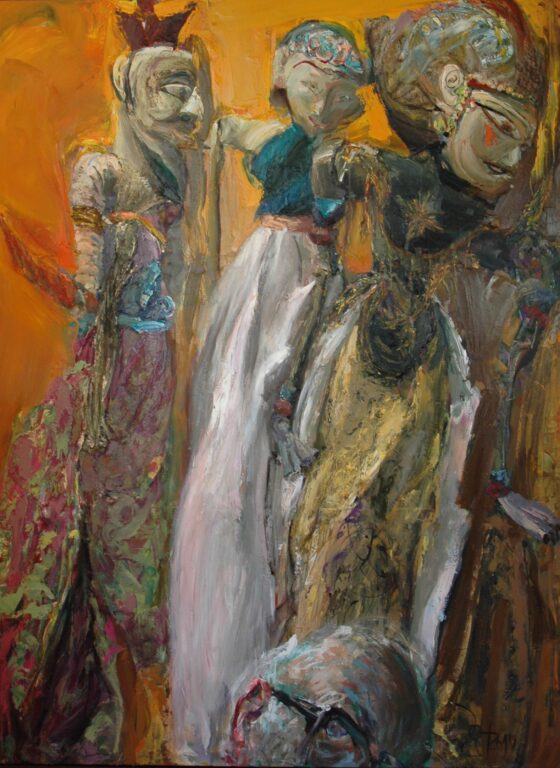
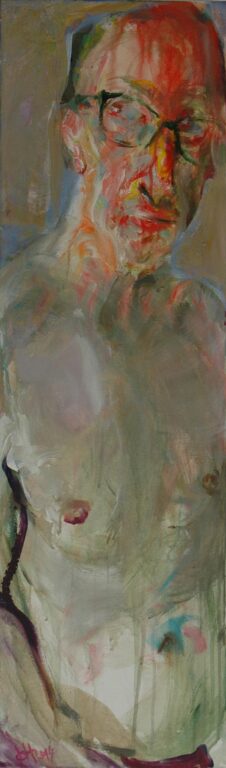
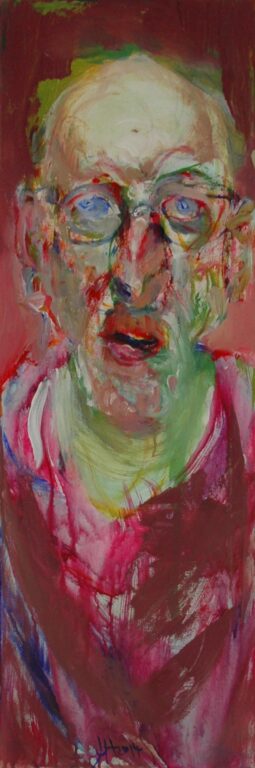
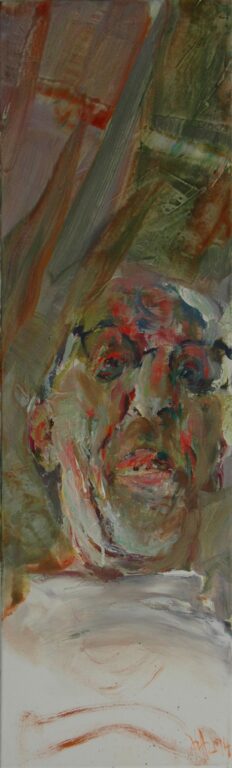
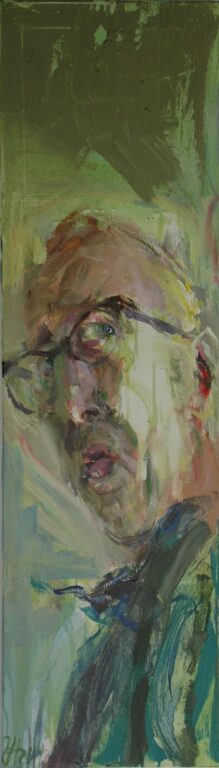
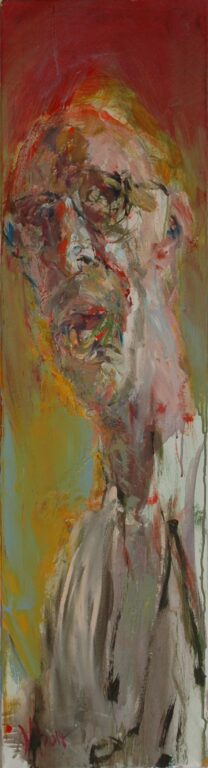
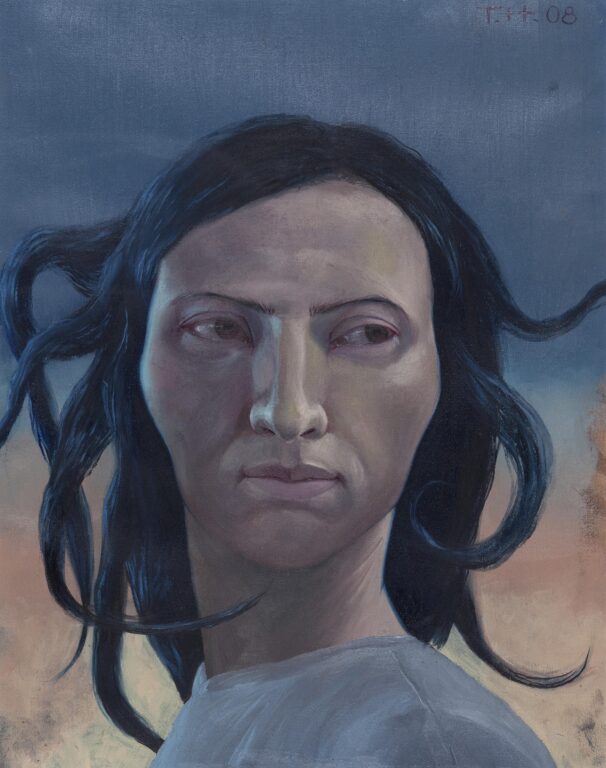
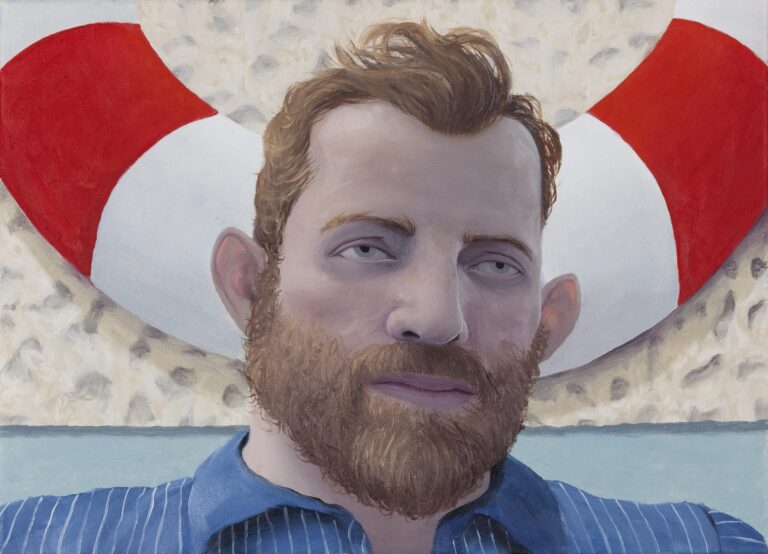
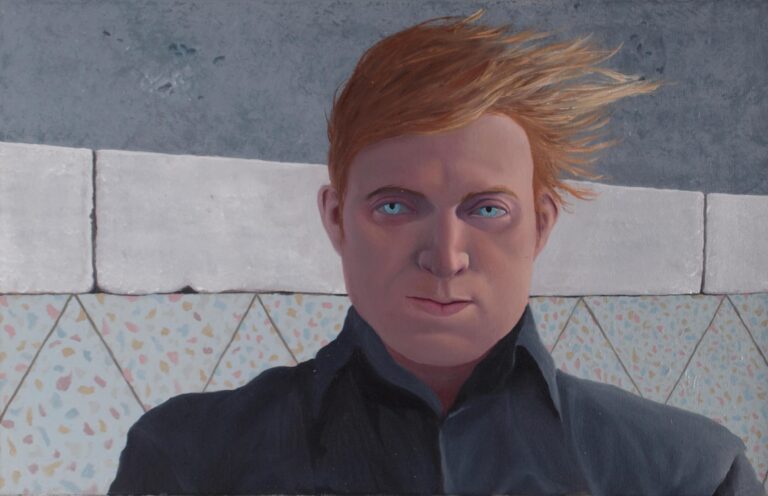
In the group exhibition Aus Berliner Sicht (From a Berlin Perspective), DIE GALERIE focuses on painting from one of the world’s most productive centers of art and creativity: Berlin. In addition to well-known names such as Johannes Grützke (born 1937), Volker Stelzmann (born 1940), Johannes Heisig (born 1953), and Klaus Zylla (born 1953), subsequent generations of artists are also represented, whose different painting styles and subjects reflect a cross-section of Berlin’s dynamic art scene.
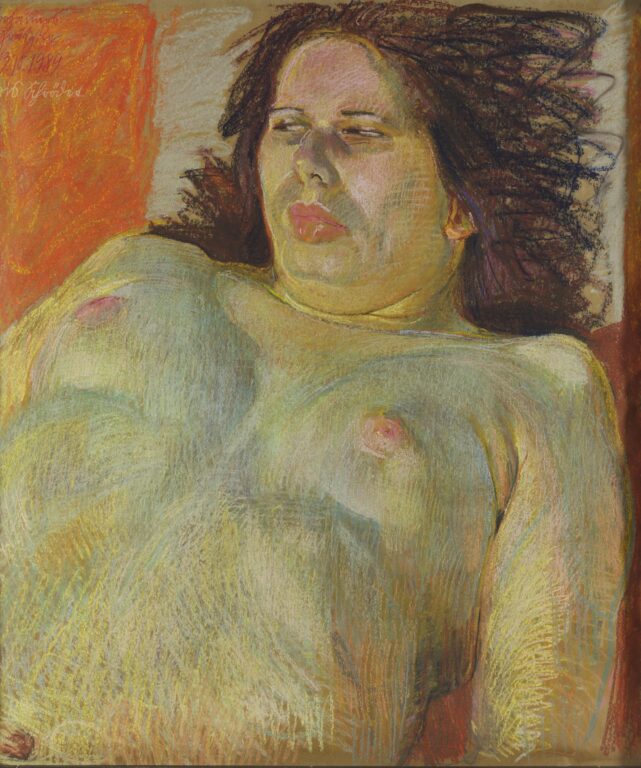
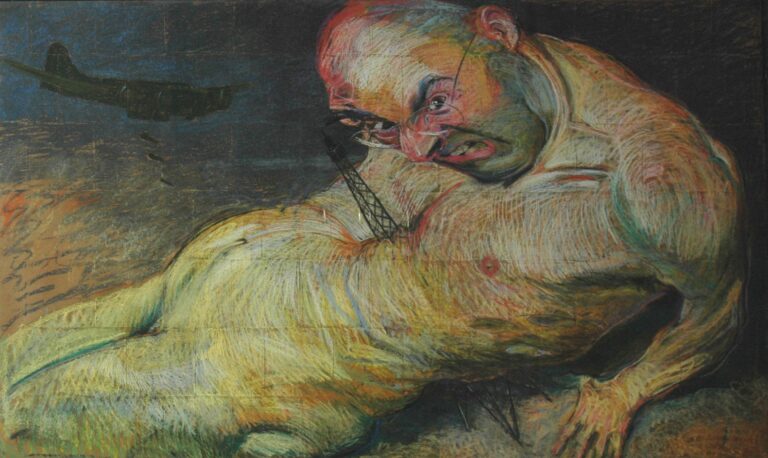
Johannes Grützke (*1937) can certainly be considered Berlin’s most idiosyncratic artist. Raised in Berlin and trained as a painter by Prof. Peter Janssen, he studied at the Summer Academy with Oskar Kokoschka in Salzburg in 1964 and founded the artists’ association Berliner Schule der neuen Prächtigkeit (Berlin School of New Splendor) in the same year. Grützke is a realist; he draws human individuals from the most unusual perspectives with outstanding technique. He loves to play with ironic/sarcastic exaggerations and distortions in the physiognomy of the figures he depicts, turning their psychological idiosyncrasies inside out. In this way, he succeeds in approaching his subject without any pathos or idealization.
Johannes Heisig (*1953) creates unusual visual experiences not only through his characteristic expressive-impressionistic technique, but also through his curious gaze at a wide variety of subjects, including portraits, still lifes, intimate self-reflections, and landscapes from unfamiliar perspectives. His personal reflections on recent German history are inextricably linked to the capital, and his unusual cityscapes, showing narrow backyards or wide panoramas, represent his very own perception of Berlin, which is an inexhaustible source of inspiration for the artist.
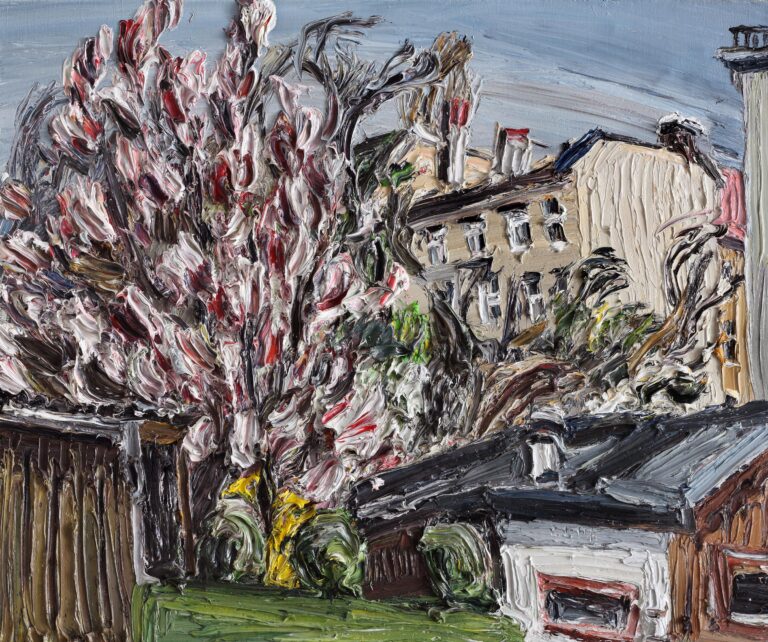
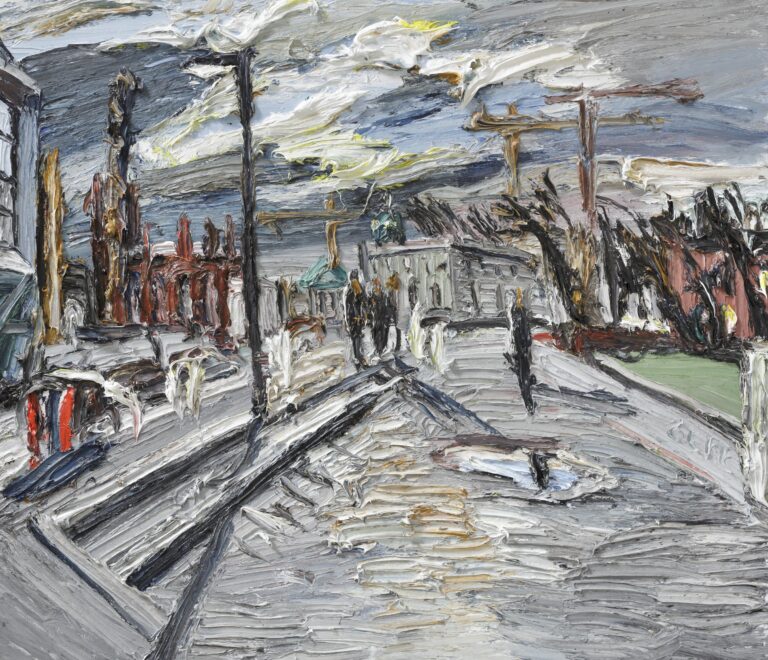
“It’s not painting, but modeling with color,” says Berlin-born Christopher Lehmpfuhl (*1972) about the creative process behind his paintings, which are created in the tradition of plein air painting during countless trips and explorations in nature and the city. His motifs include landscapes in particular, but also the ever-changing urban space of his hometown. Without brushes, using only his bare hands, he quickly and intuitively piles thick layers of paint onto the canvas.
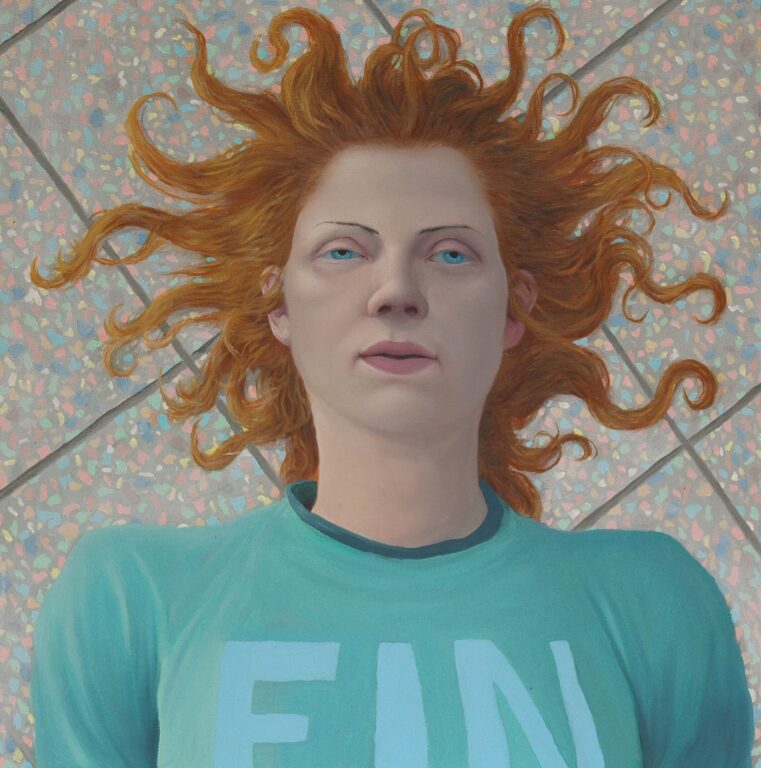
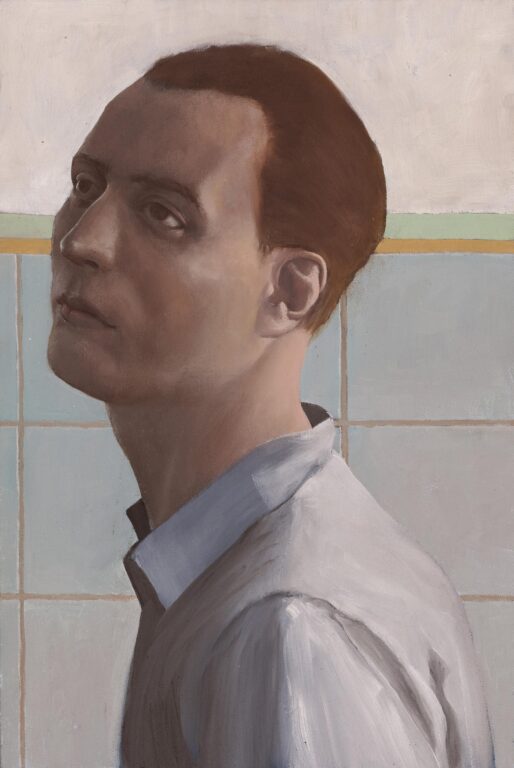
With references to the New Objectivity painting of the 1920s, Volker Stelzmann (*1940), who was born in Dresden and lives in Berlin, is one of the few fine painters today who uses old master techniques to counteract “modern painting styles” and the deliberate “unfinished.” For him, the painting surface sets the stage for a staging of human behavior, both in its contemporary and timelessly universal dimensions.
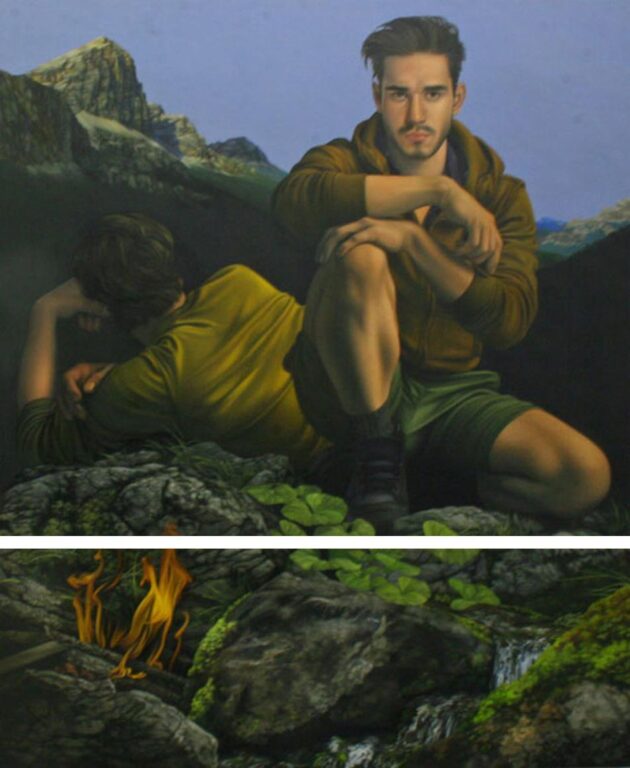
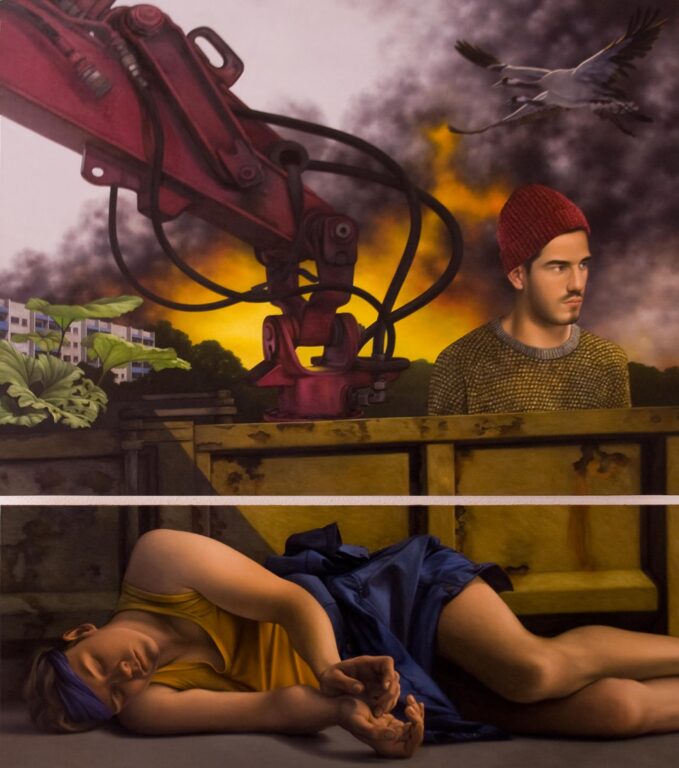
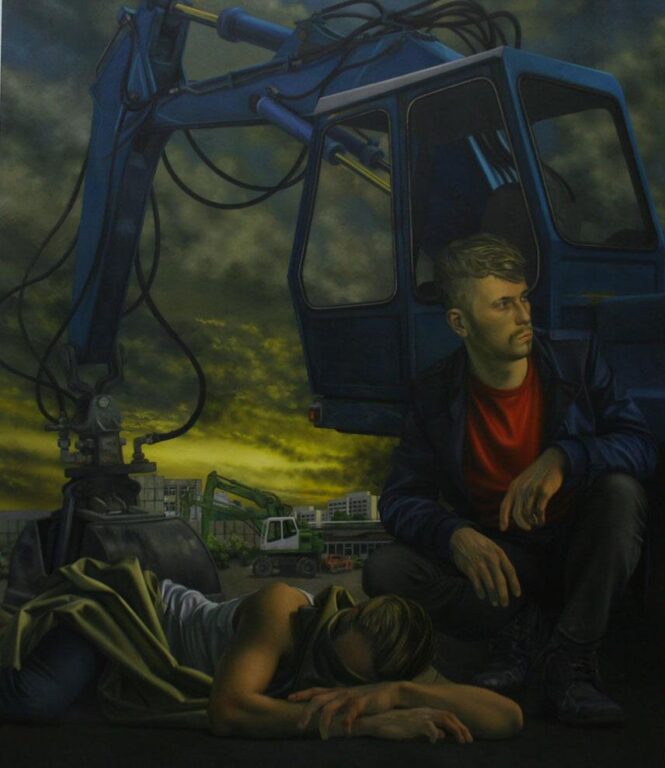
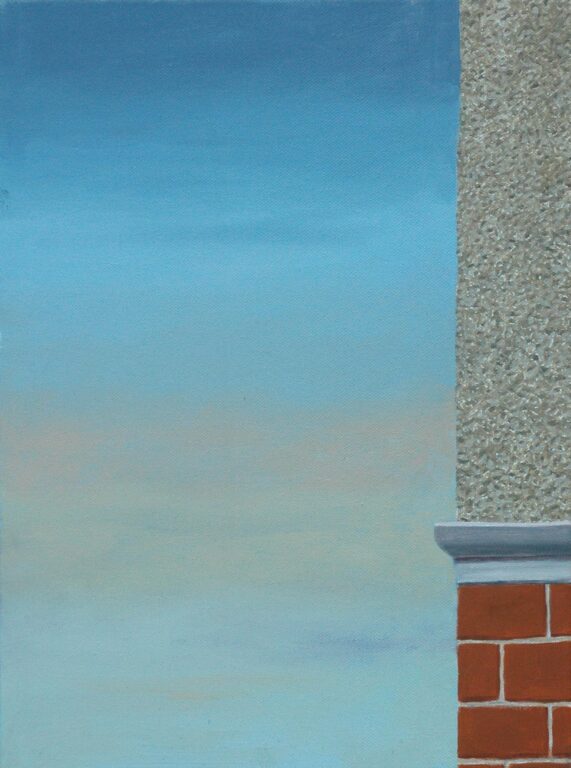
As a native Berliner, Andreas Leißner (*1978) knows that life in a metropolis always goes hand in hand with isolation and anonymity, and he expresses this aspect in his contemporary, realistic, and objective works. He positions his mostly male figures in partial view, large and present, next to urban structures such as architecture, machines, or industrial plants. Whether combatively challenging or hiding and introverted, a certain vulnerability always remains recognizable. What all protagonists have in common, however, is their isolation and self-centeredness.
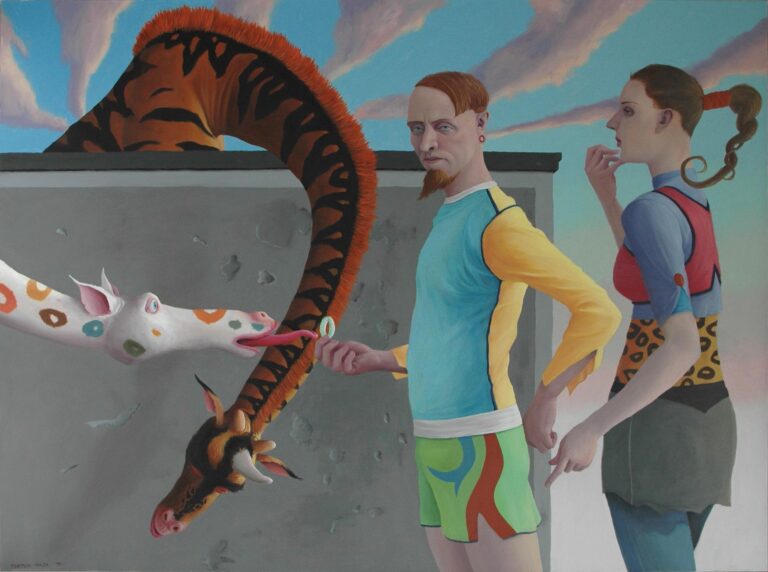
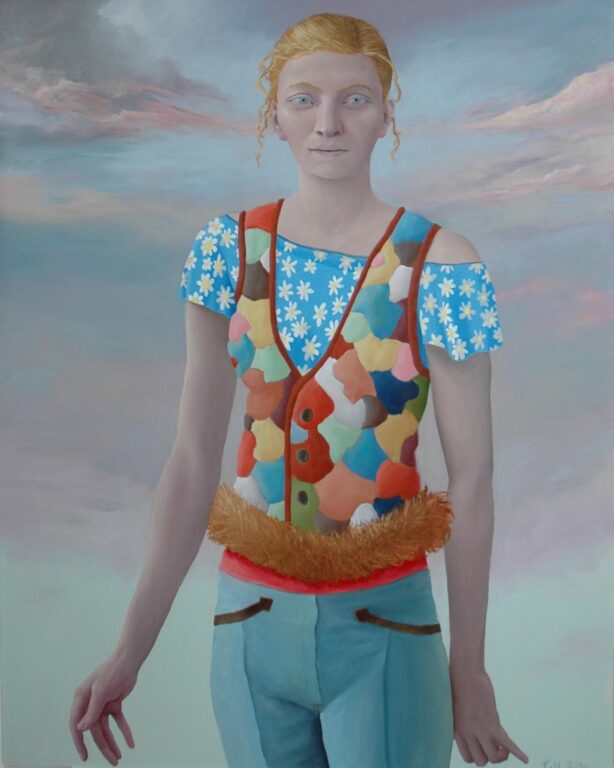
The protagonists in the paintings of Torsten Holtz (*1973) also seem to be stranded in isolation and completely detached from social references, in a kind of limbo. With fascinating emotionlessness, the artist, who was born and lives in Berlin, paints a rose-colored world with wide horizons that could be everywhere and nowhere at the same time. In paintings that are often intangible to the viewer, real reality and fantastical imaginations merge into representations that, while referencing magical realism, are completely translated into the present of the 21st century.
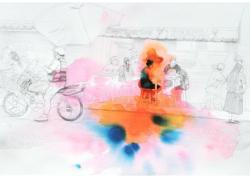
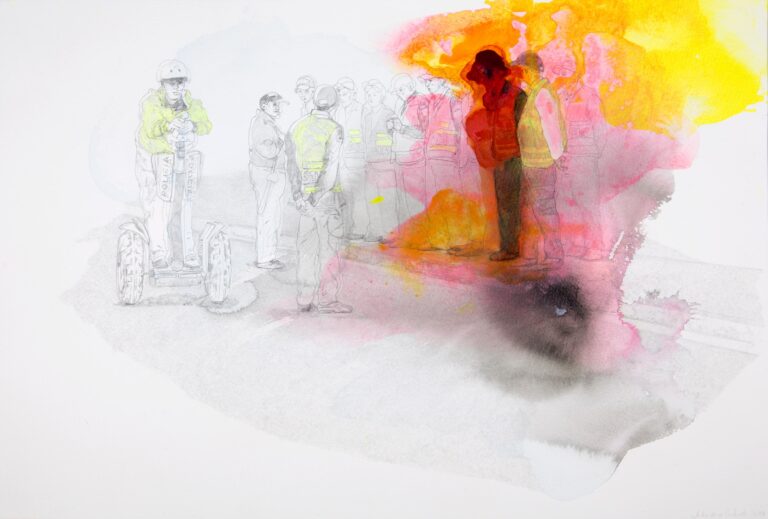
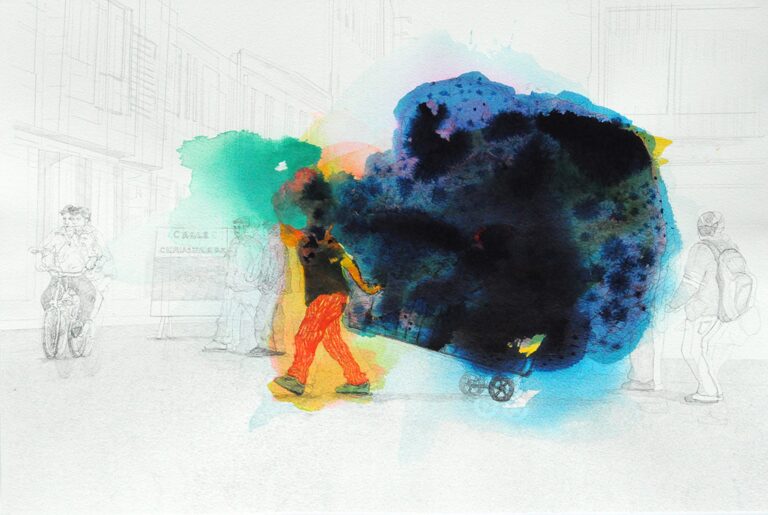
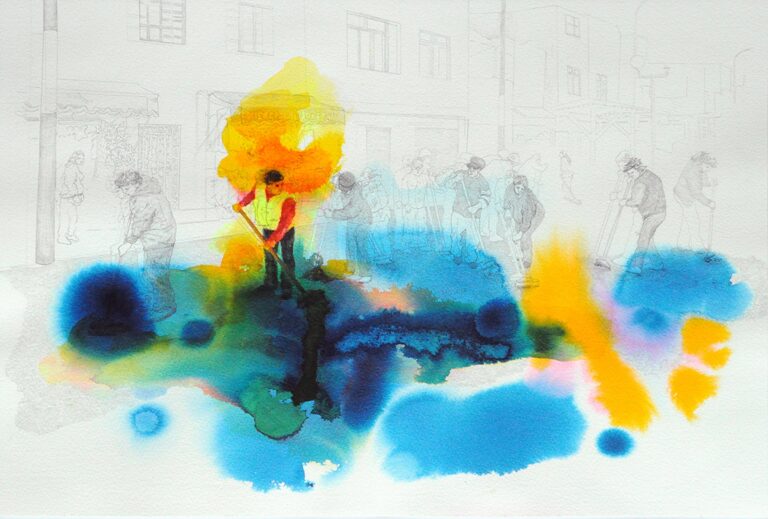
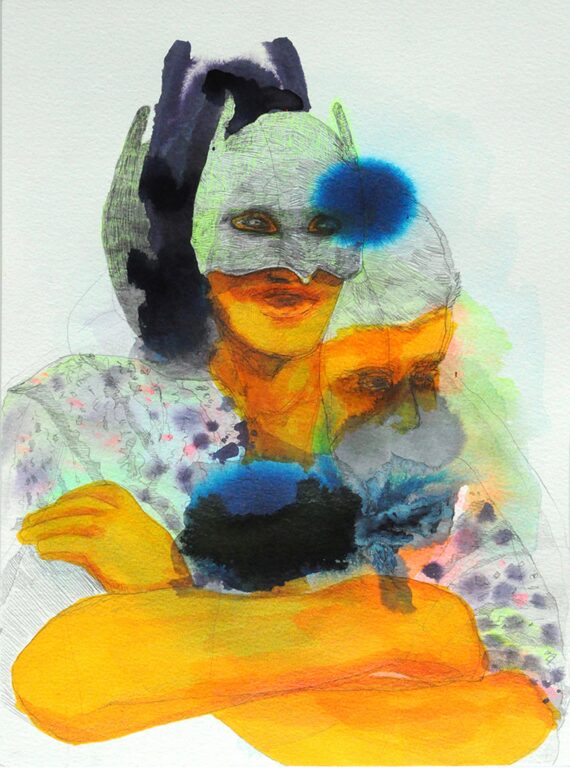
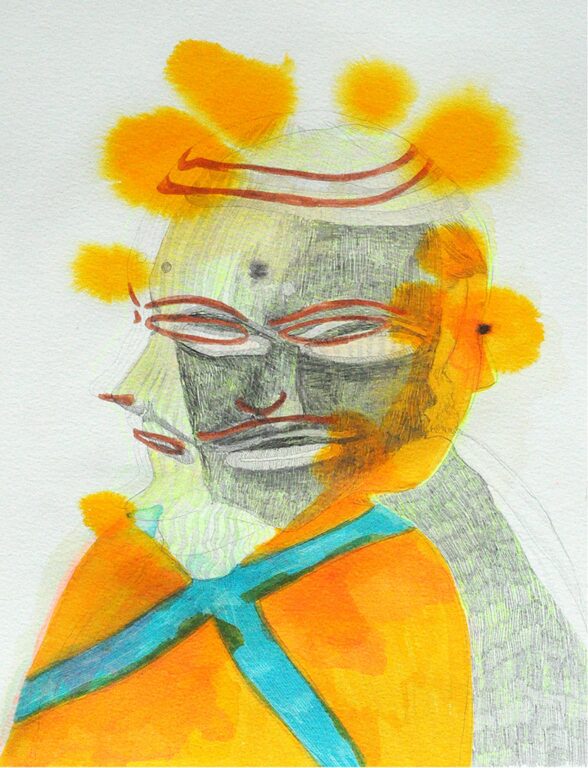
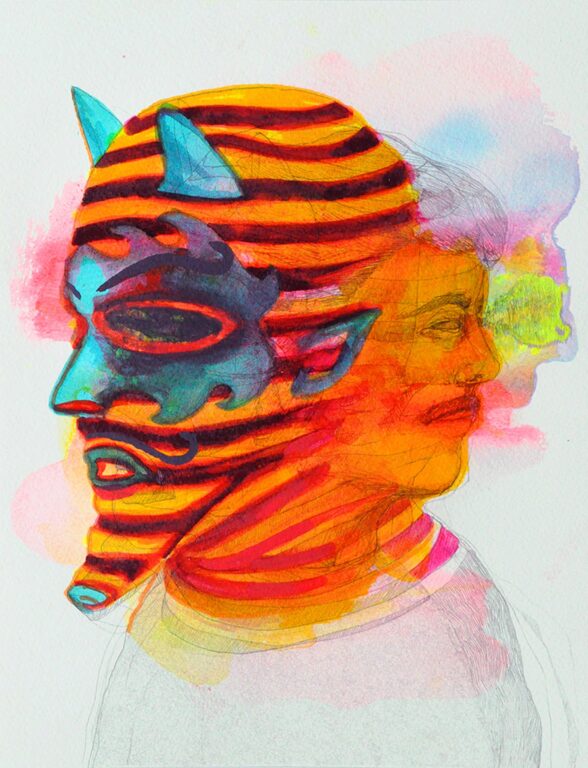
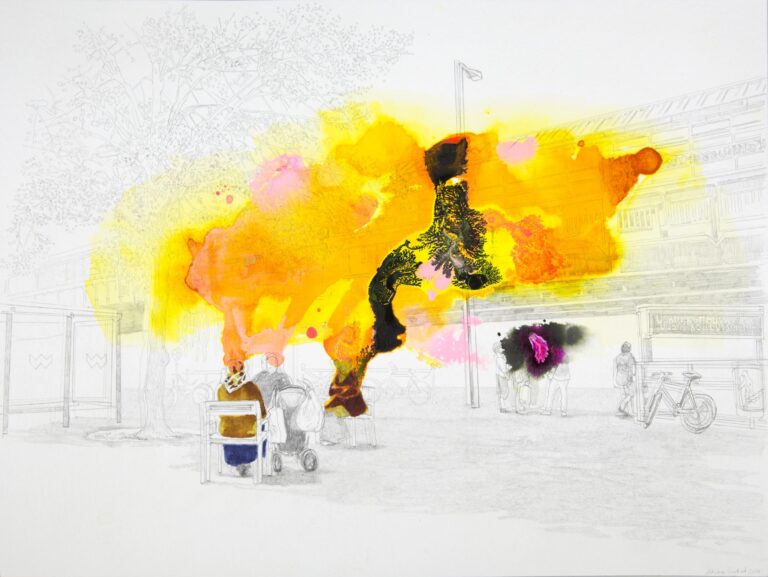
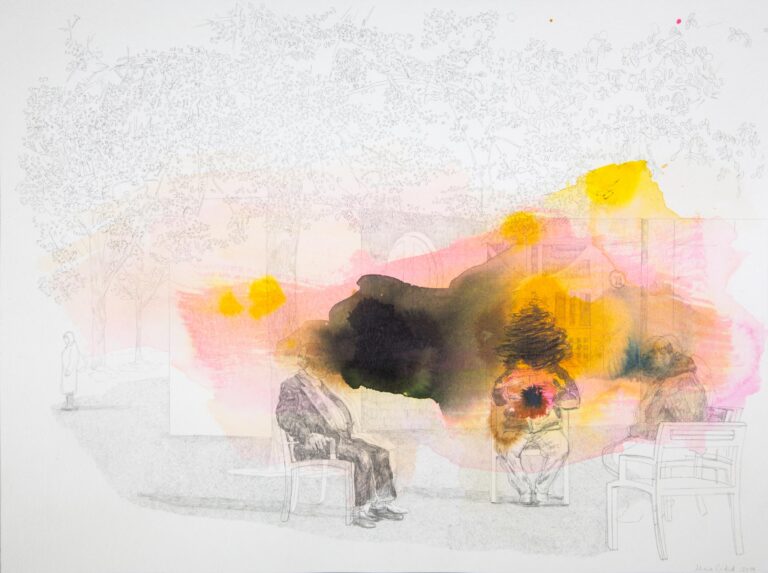
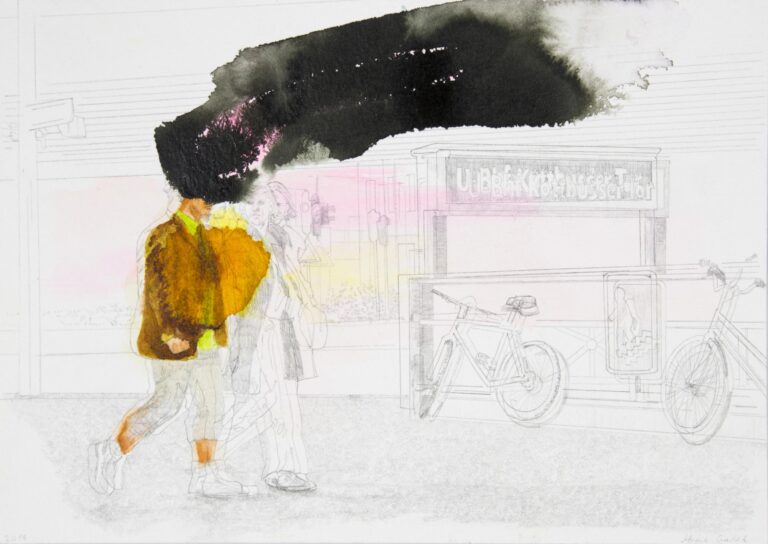
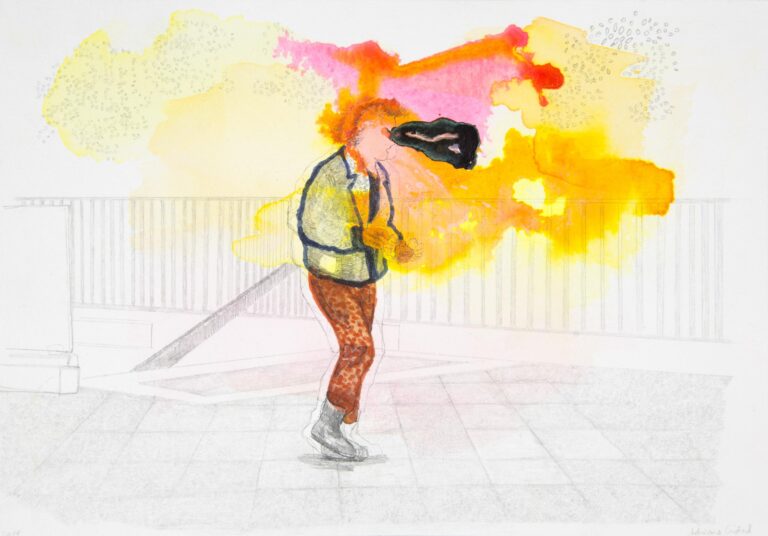
Born in Lima, Adriana Ciudad (*1980) came to Berlin in 2002 to study at the UdK. Her subject matter is the everyday; with fine, confident strokes, she traces life on the streets of a metropolis, be it Berlin, Bogota, or Lima, where she now lives and works. More than merely reflecting reality, she reveals the mental landscapes and distant worlds that lie behind the obvious. Her mostly female figures merge with their pictorial surroundings through lineament, geometric structures, and watery patches of color, thus referring to the individual’s confrontation with the world.
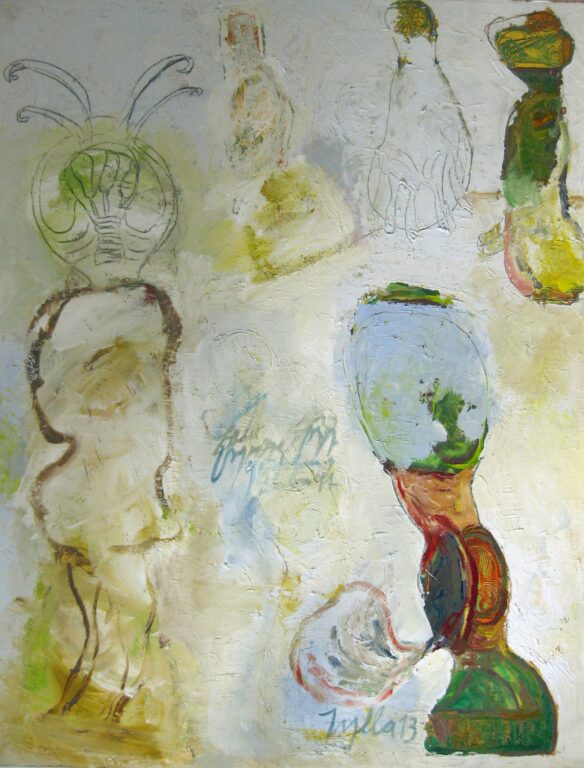
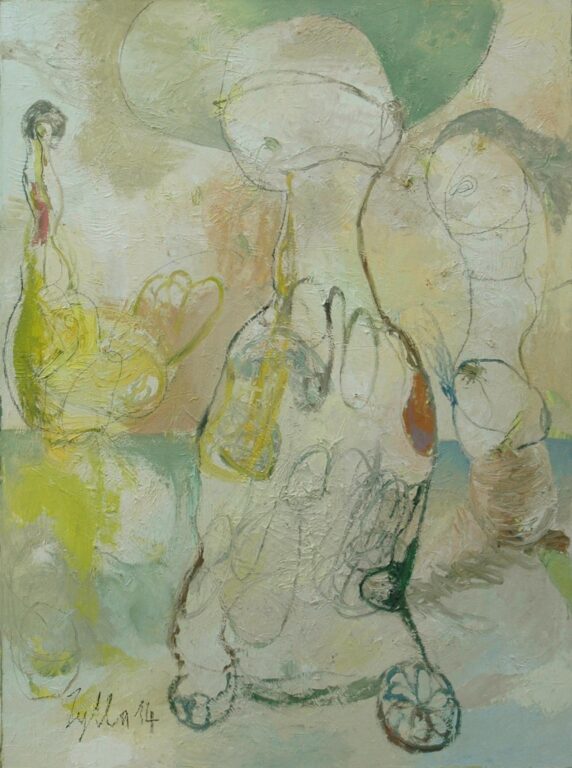
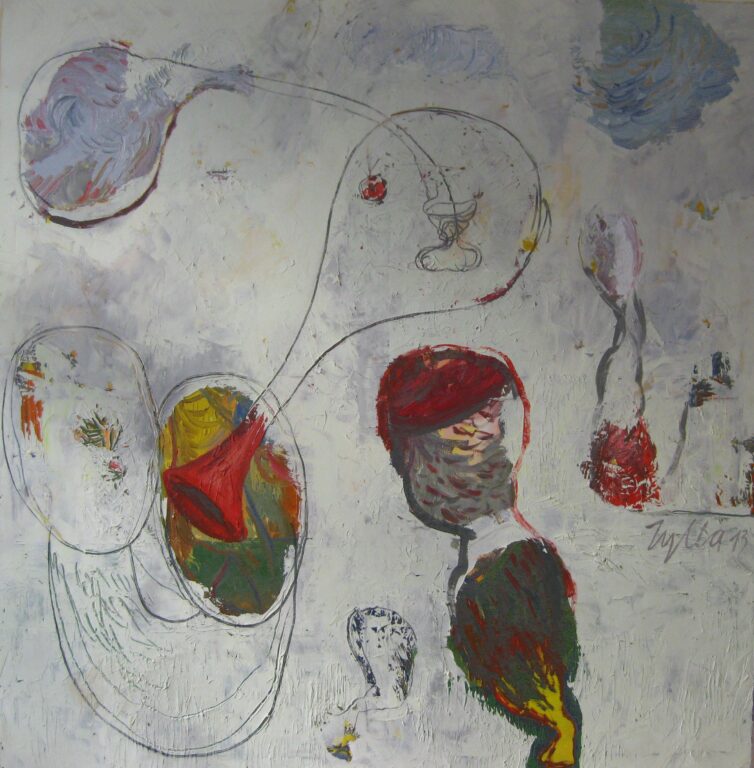
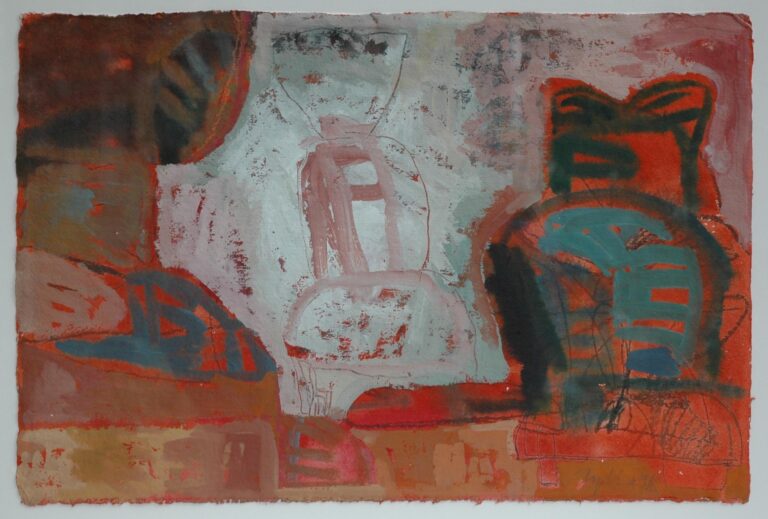
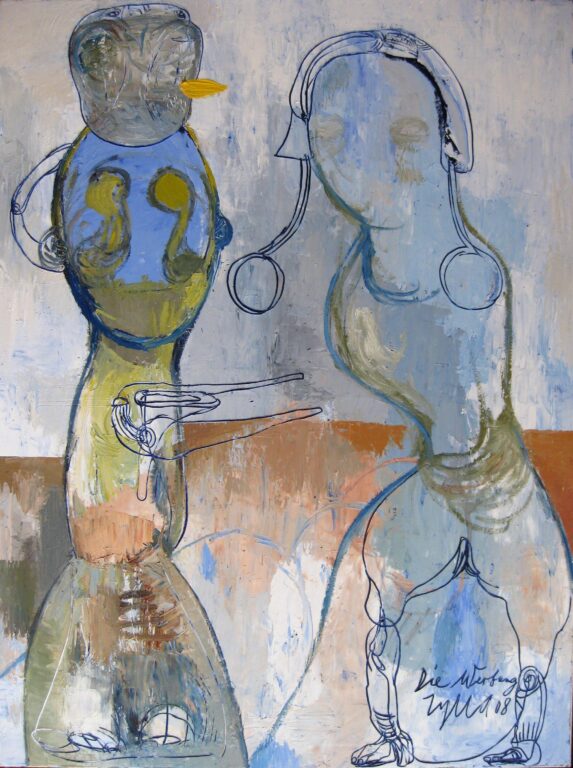
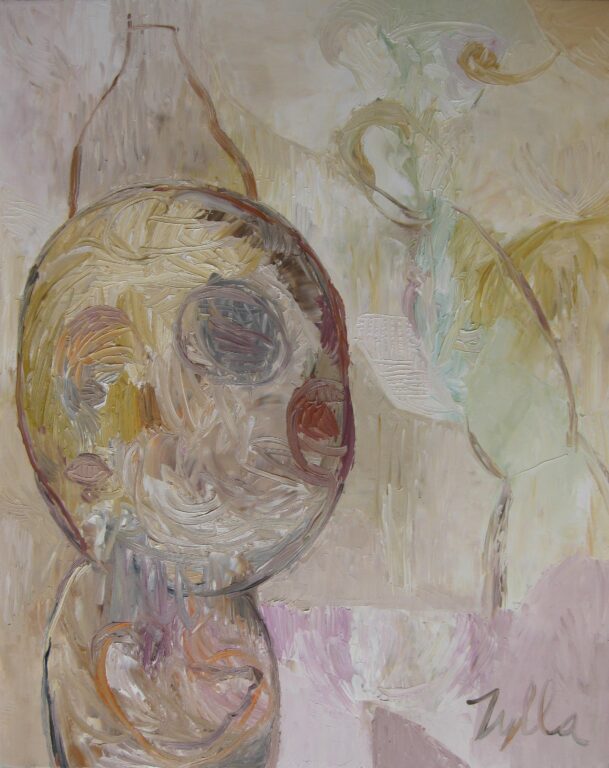
Contrasting and erratic, wild and expressive—that’s Berlin, and that’s the work of Klaus Zylla (born 1953). In a gesturally expressive manner, the artist, who was born in Cottbus and now lives in Berlin and Portugal, uses a wide variety of artistic means to describe a rich spectrum of forms of expression, oscillating between abstraction and figuration, comedy and seriousness, mockery and irony, sadness and blasphemy, obscenity and coquetry, eroticism and chastity.
The non-representational imagery of Ulrike Seyboth (*1970), who lives in Berlin and Paris, is ethereal and imaginative, reflecting the various emotional states of consciousness of the artist. Her working method resembles the Écriture automatique of the Surrealists; she lets her lines dance intuitively across the canvas, winding their way exuberantly through a multitude of overpaintings and layers of color. Emotion, sound, and color merge into vibrant forms and fields of color that offer the viewer plenty of room for association.
Translated with DeepL.com (free version)