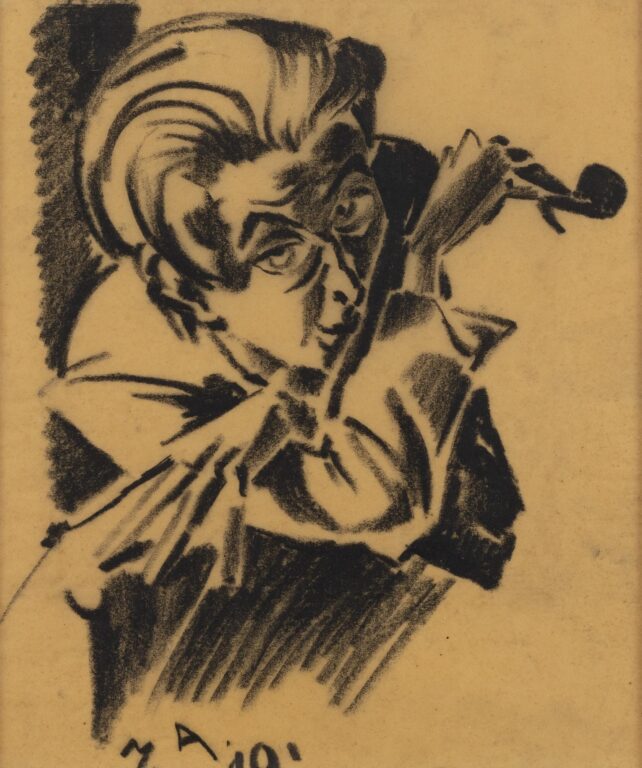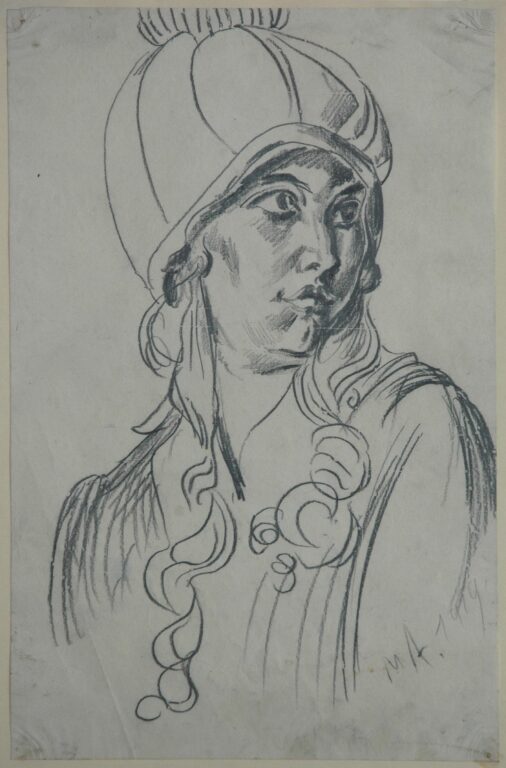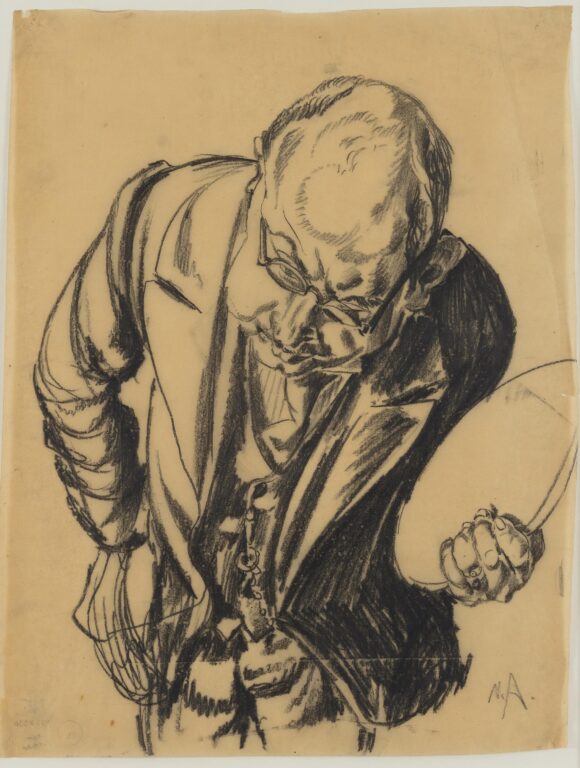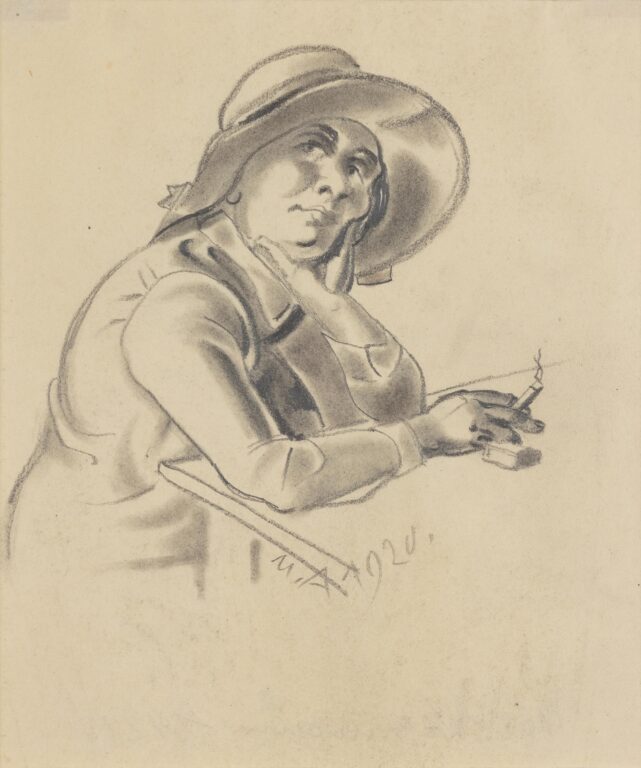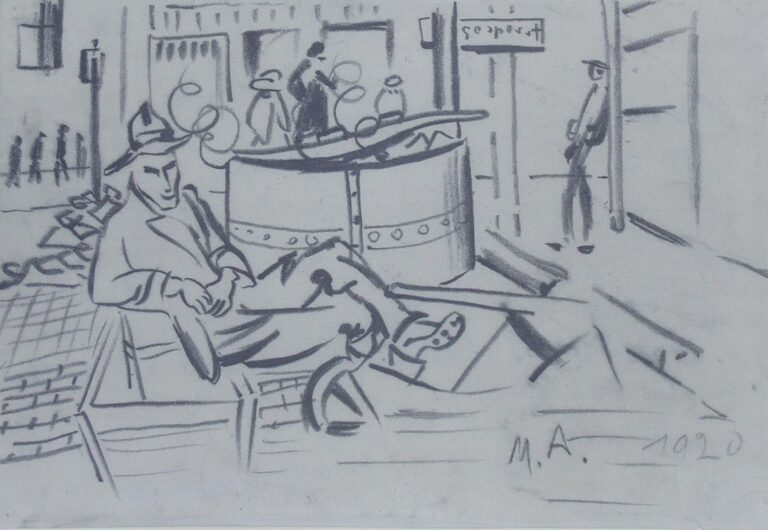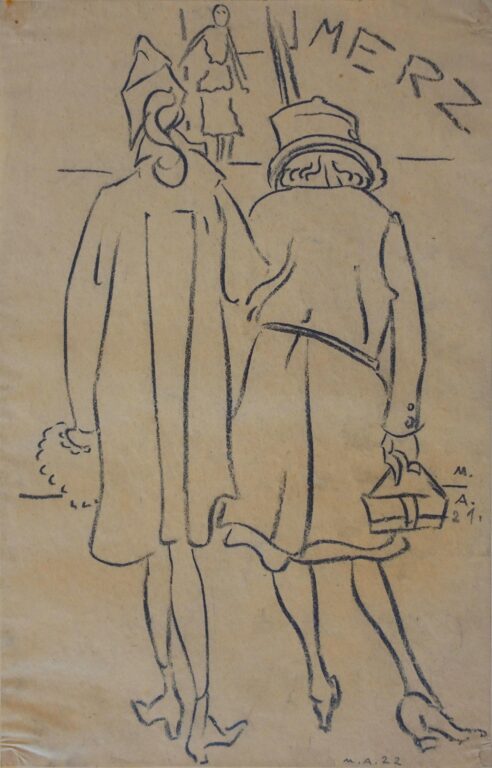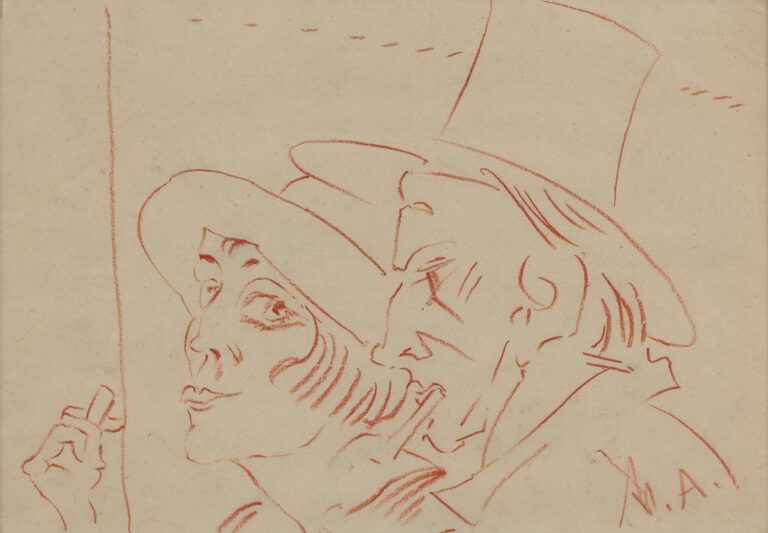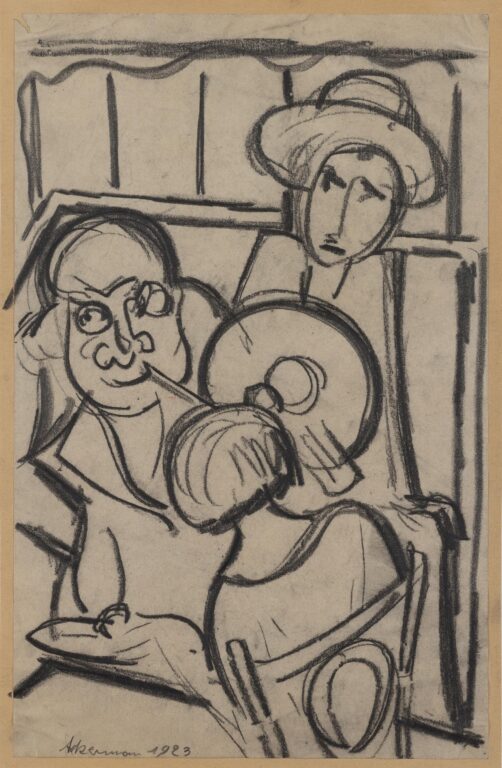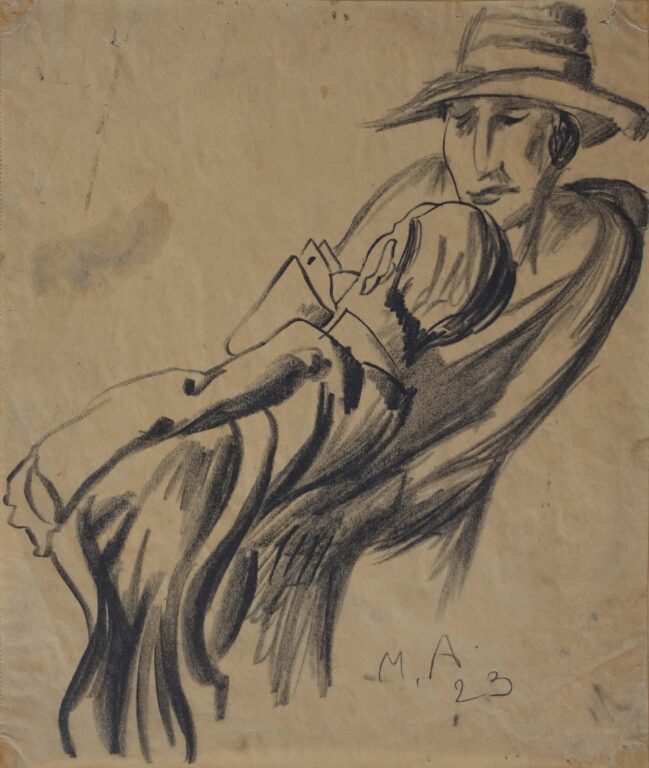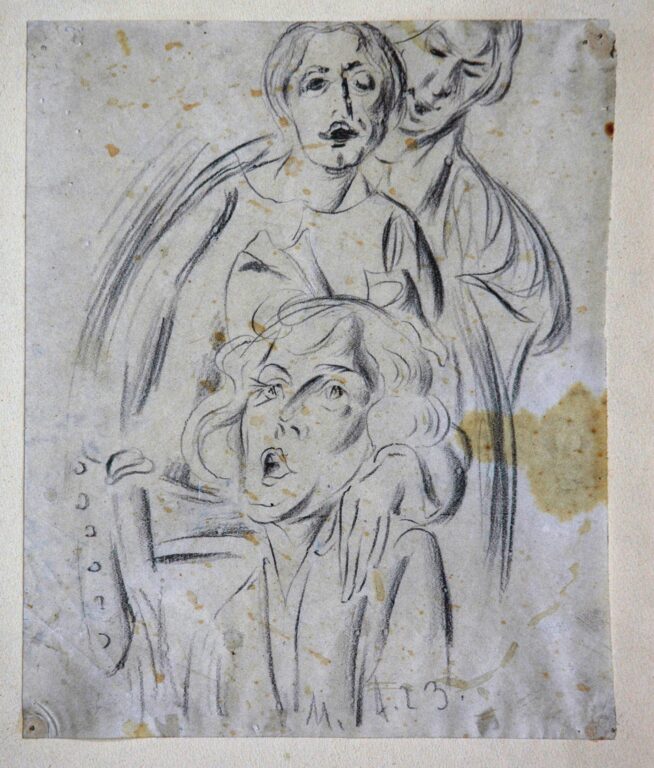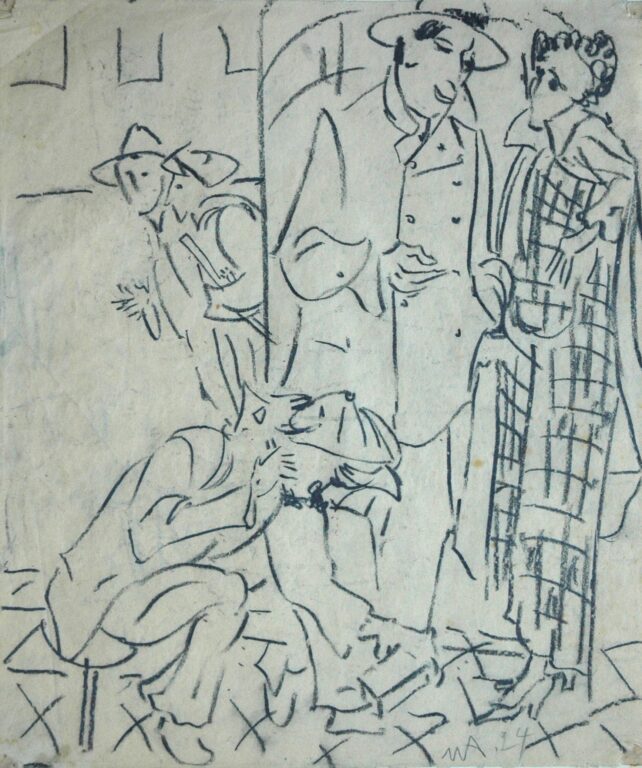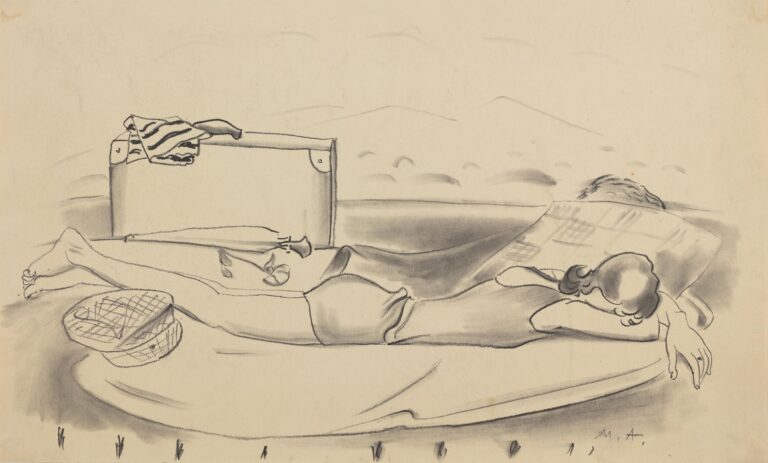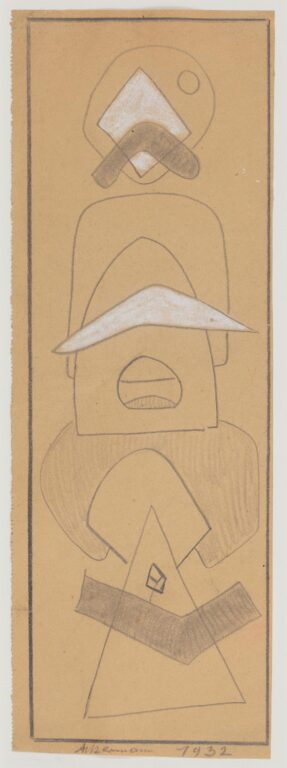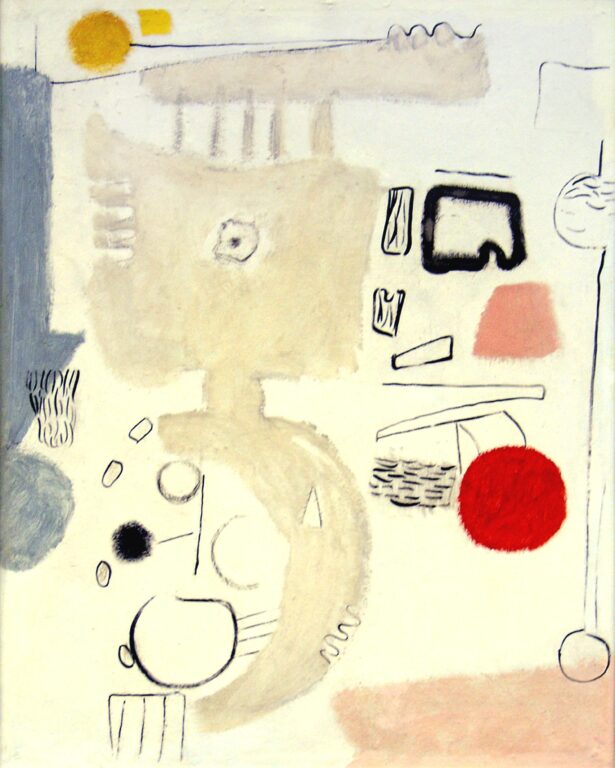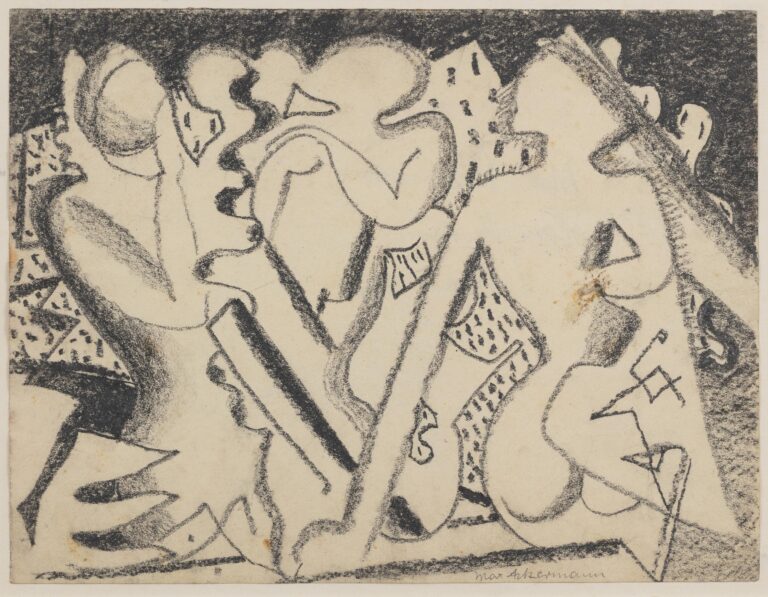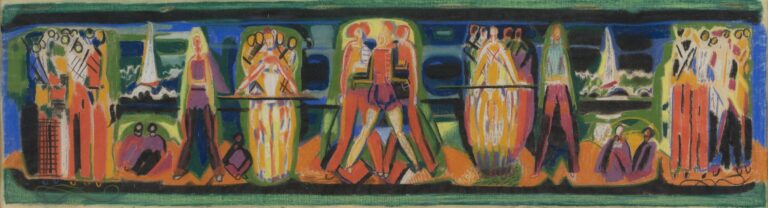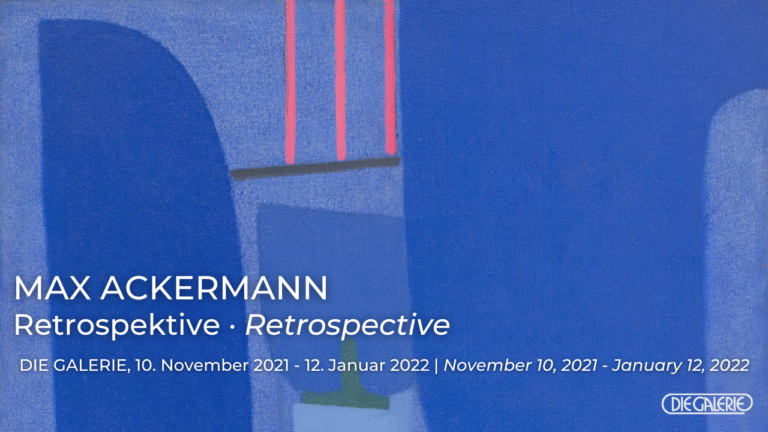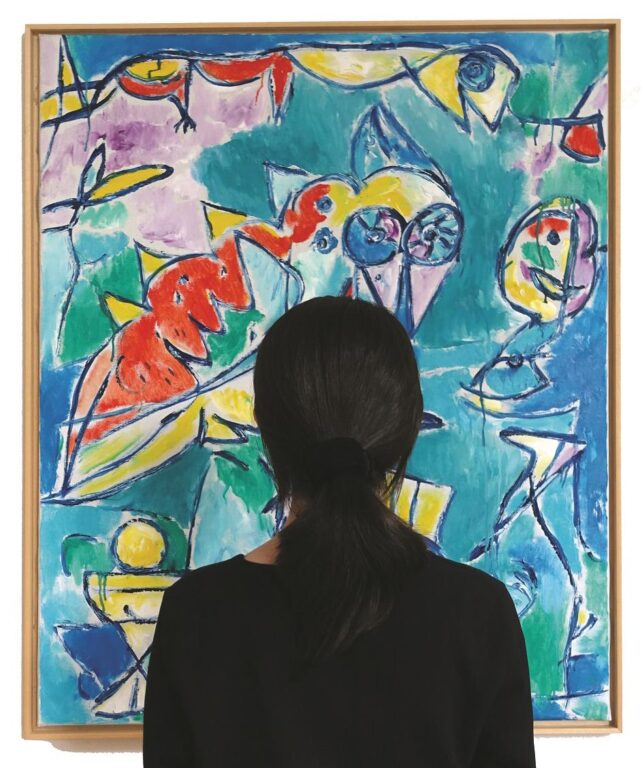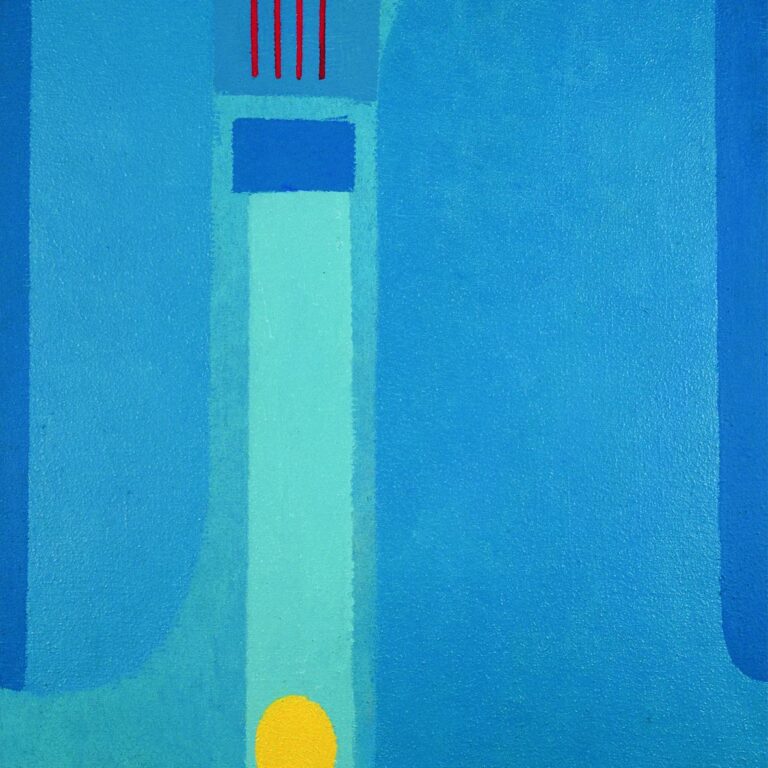
Max Ackermann was a pioneering representative of abstract art in Germany. After a varied education with Henry van de Velde, Franz von Stuck, and Adolf Hölzel, among others, he developed his own unique visual language between figuration and abstraction. From the 1930s onwards, he taught in Stuttgart and founded a “Seminar for Absolute Painting.” Ostracized as “degenerate” during the Nazi era, he retired to Lake Constance, where he continued to work on his vision of non-representational art. In his late work, he experimented with bright colors, acrylics, and pastels—always in search of a universal form of expression.
1887: Max Ackermann was born in Berlin on October 5.
1906–1907: Studies in Weimar under Henry van de Velde. Studies under Hans Olde, Ludwig von Hofmann and Sascha Schneider. Scholarship for several years from Grand Duke Wilhelm of Saxony-Weimar.
1909–1910: Attends Franz von Stuck’s painting class at the Munich Art Academy.
1912: Significant encounter with Adolf Hölzel.
1936: He is banned from teaching and his prints and paintings are confiscated at the Württemberg State Gallery and deemed “degenerate”.
1939: Establishment of a seminar for “absolute painting” at the Stuttgart Volkshochschule.
1943: Loss of the Stuttgart studio due to bombing. Large parts of the early work burn.
1957: Baden Württemberg awards him an honorary professorship.
1964: Guest of honor at the Villa Massimo in Rome.
1972: Ackermann is awarded the 1st Class Federal Cross of Merit on his 85th birthday.
1975: Max Ackermann dies on the 14th of November.
Site managed with ARTBUTLER