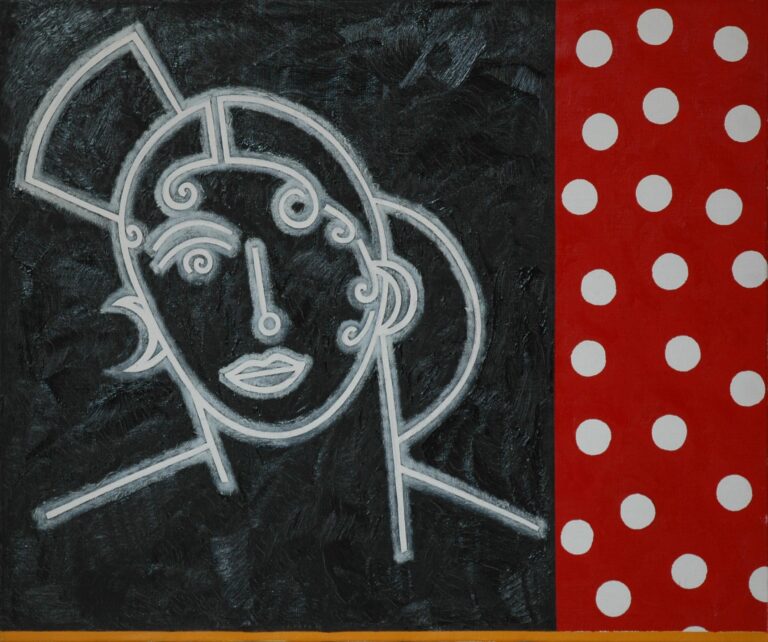
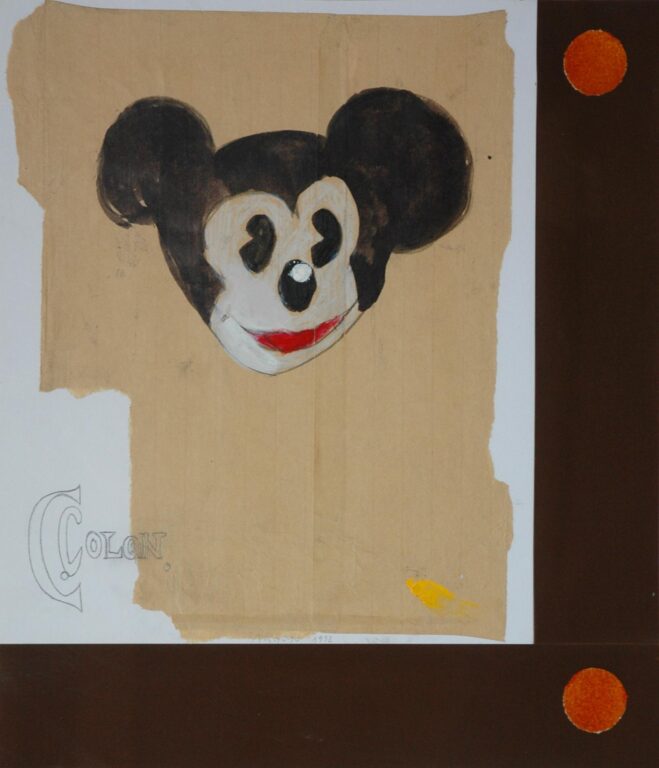
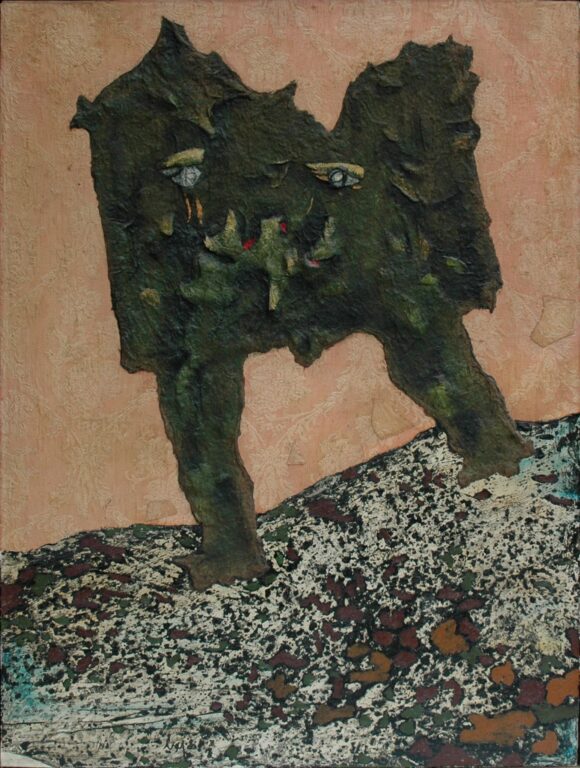
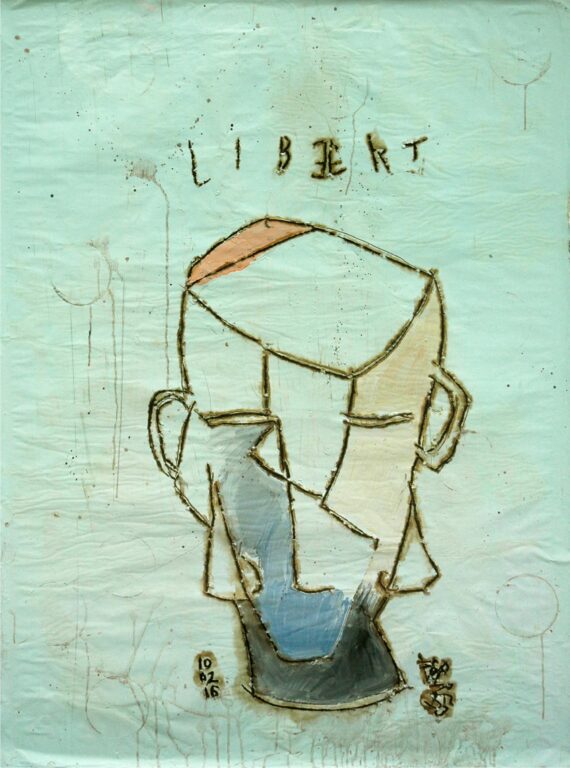
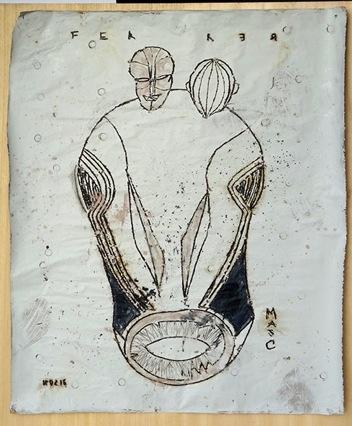
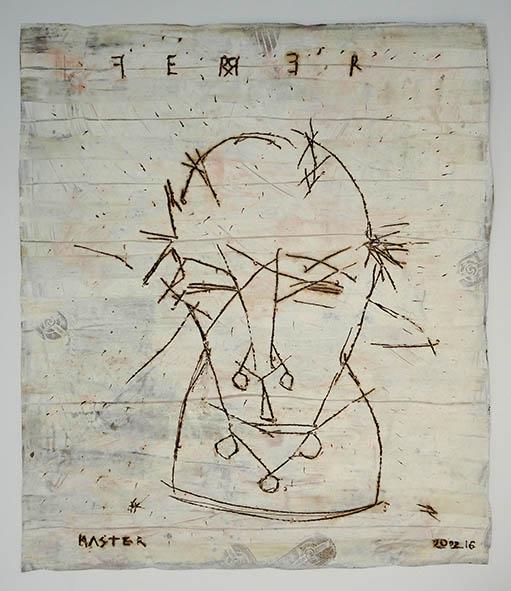
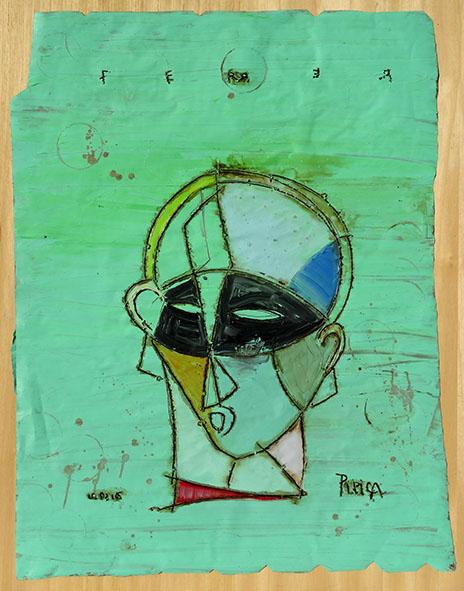
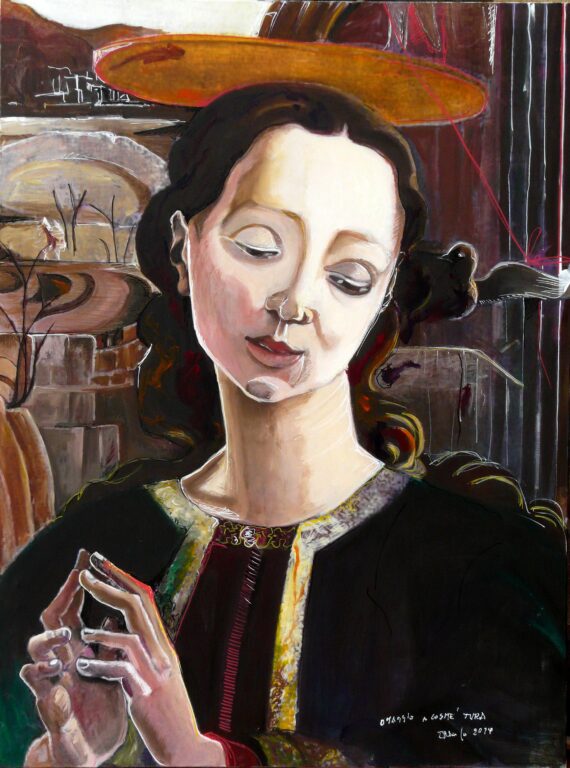
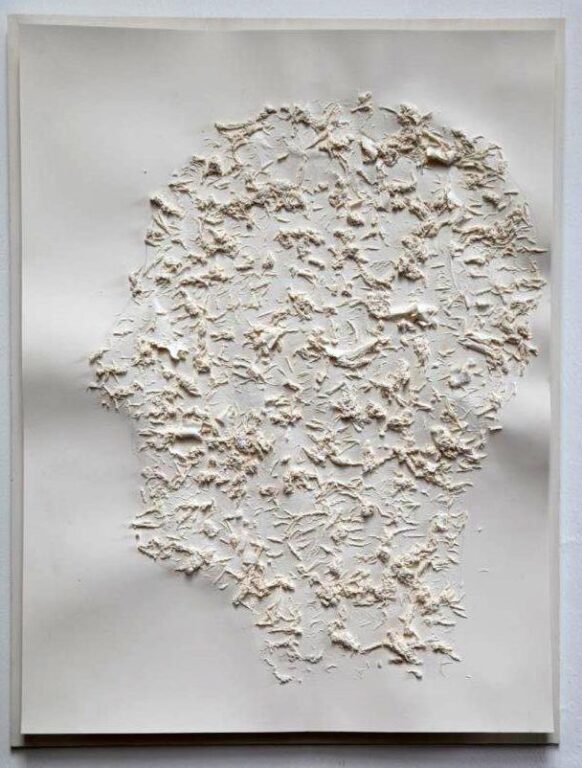
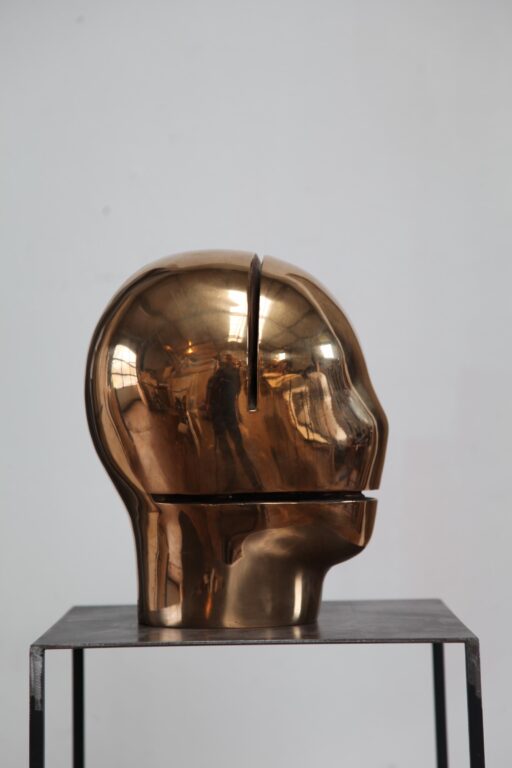
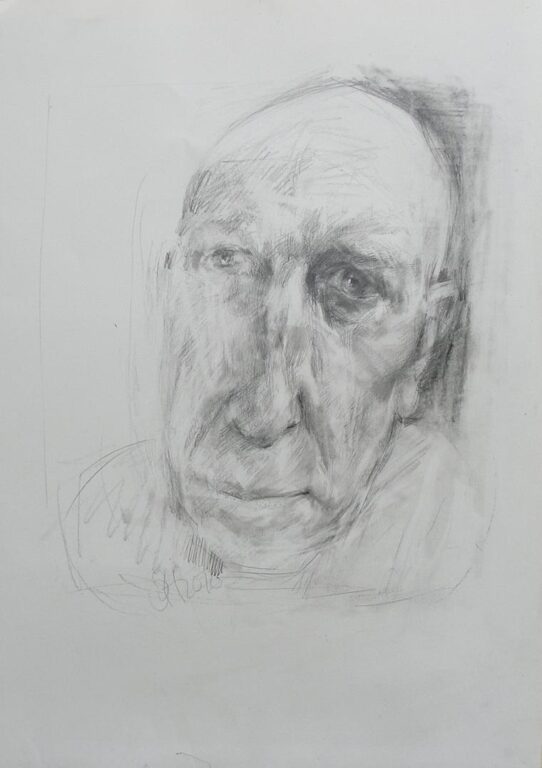
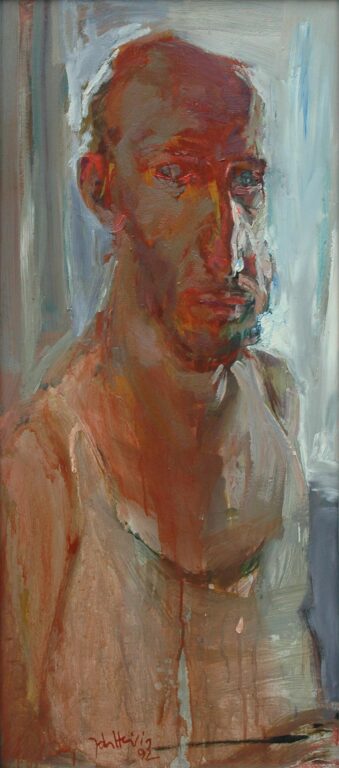
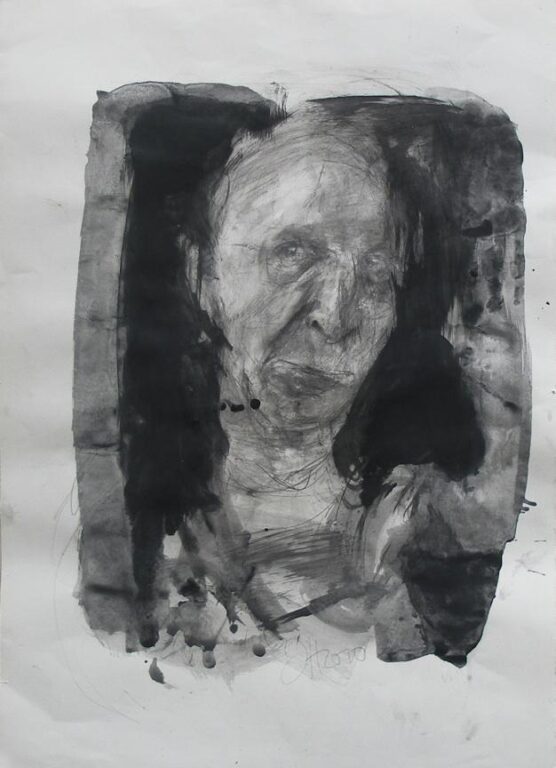
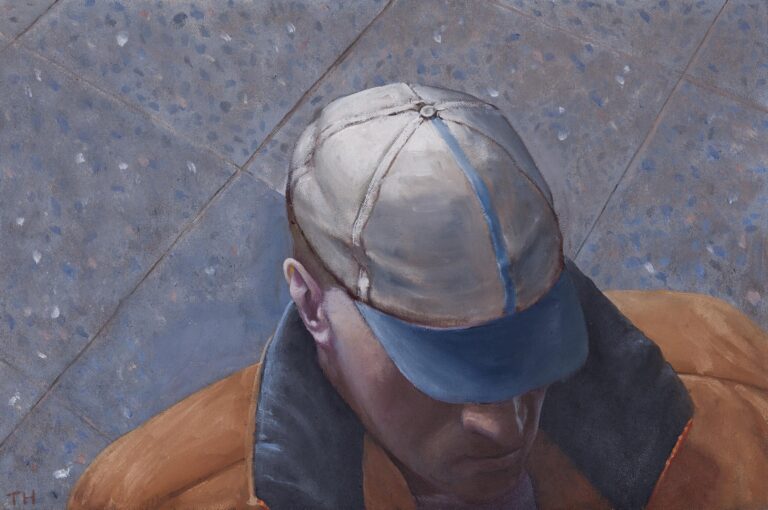
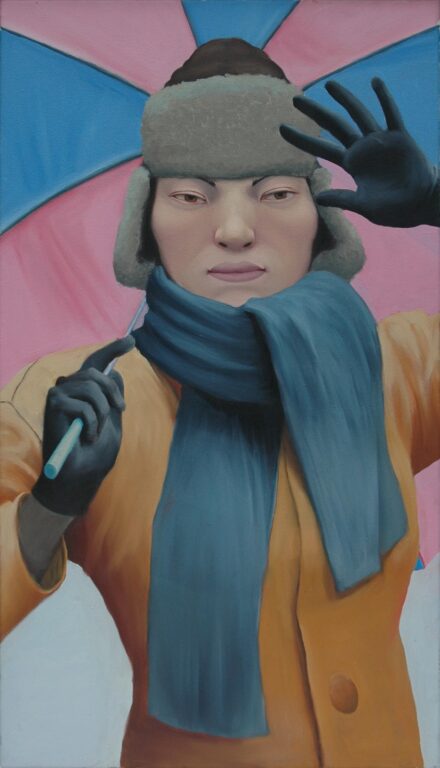
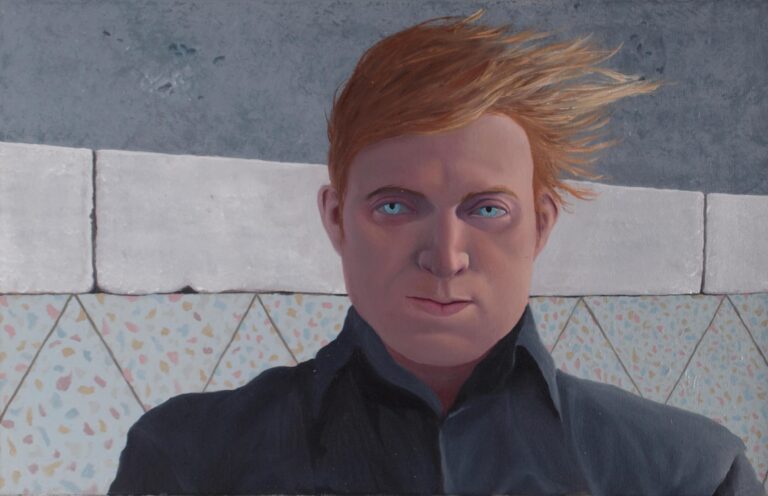
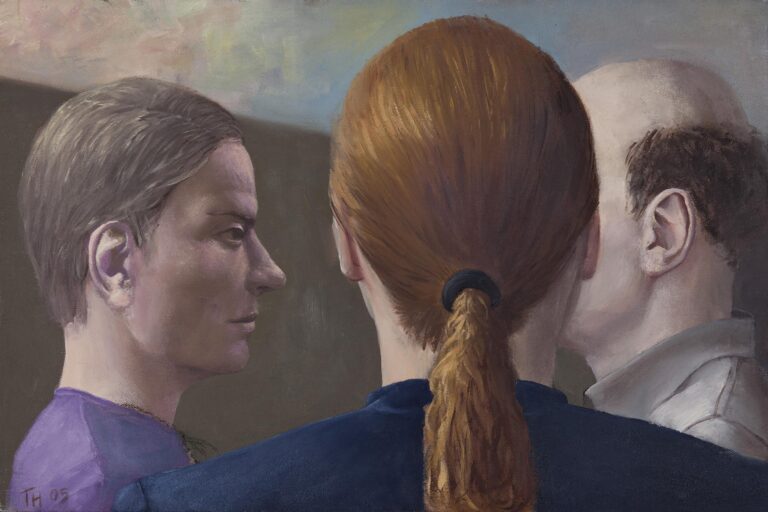
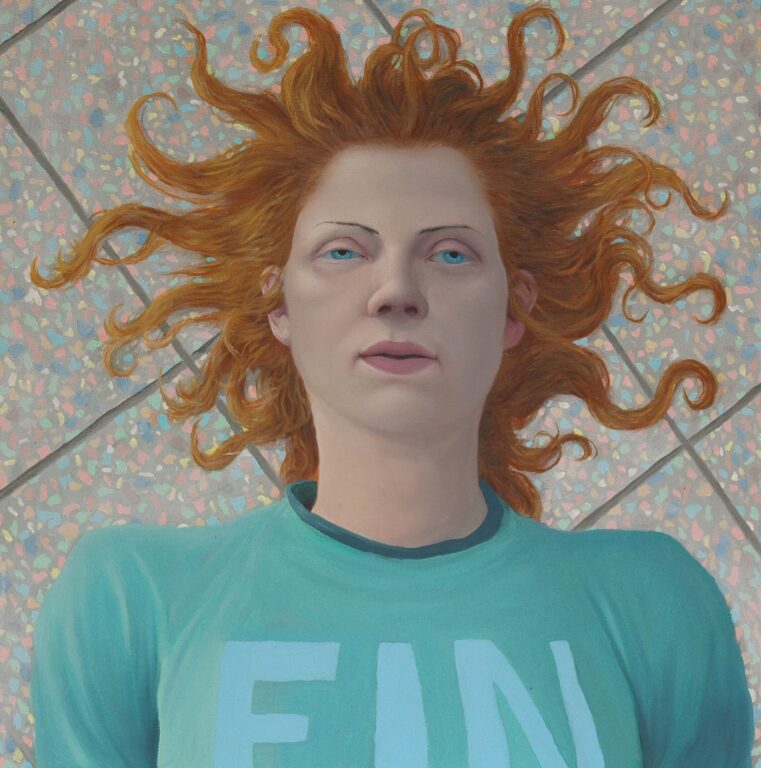
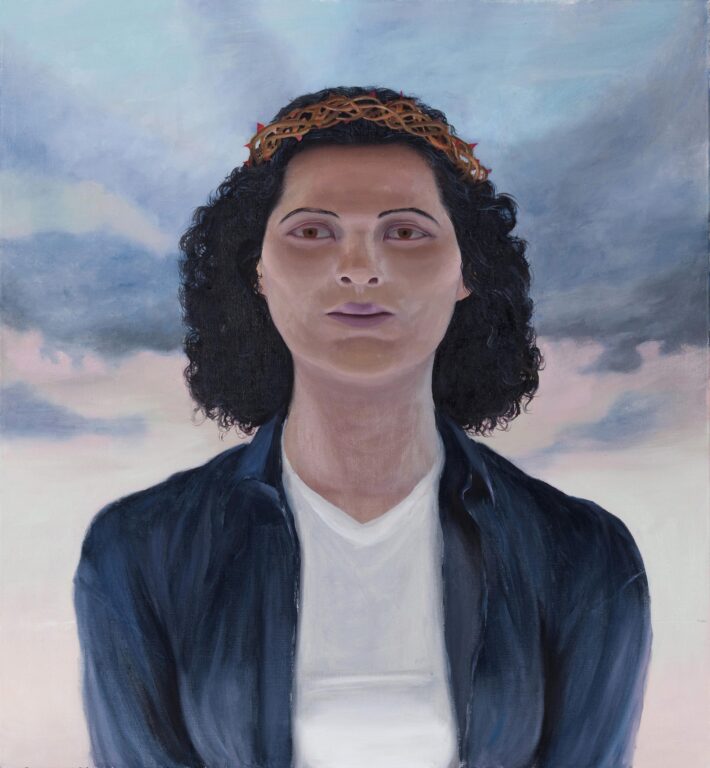
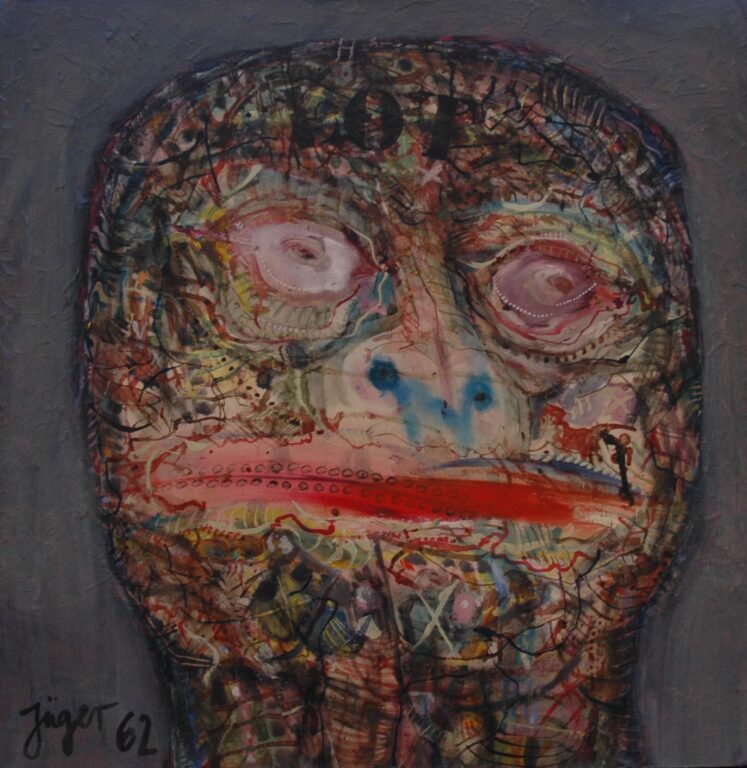
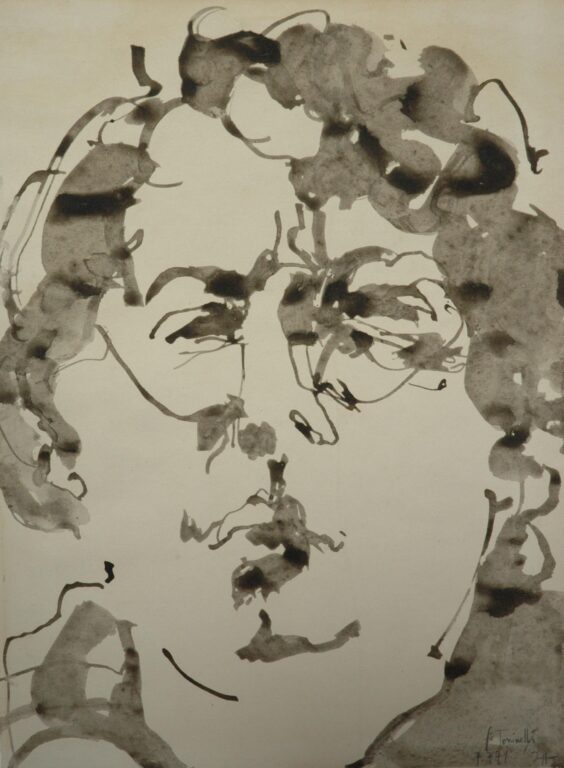
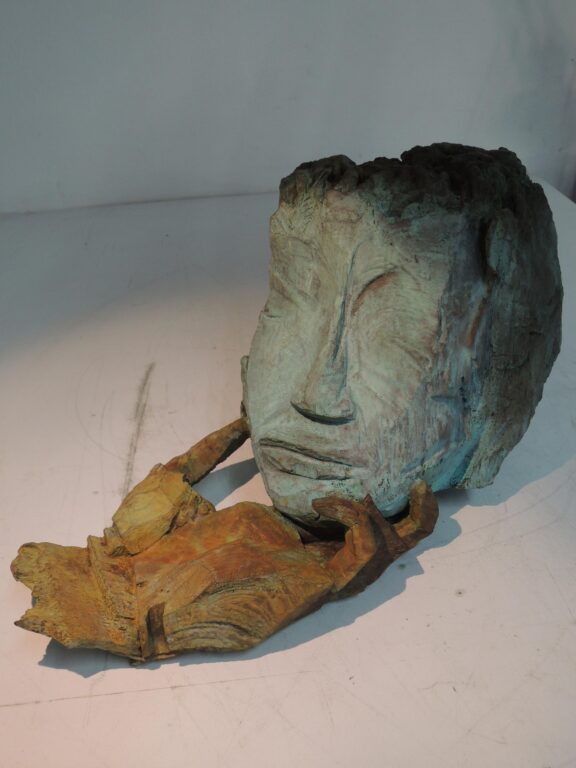
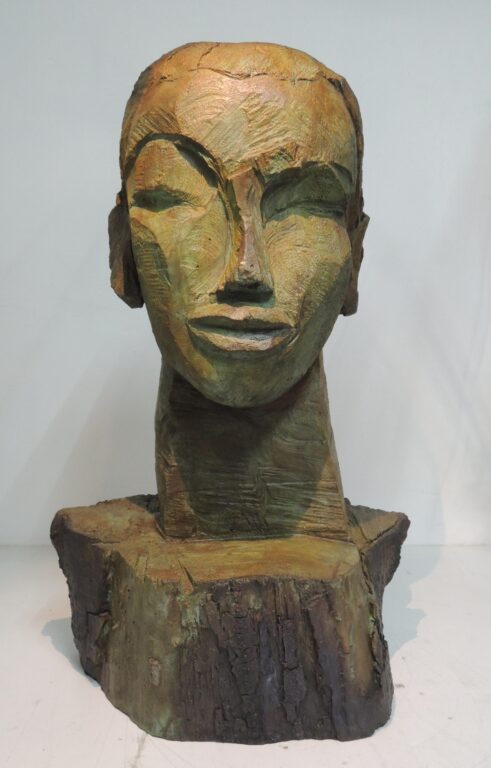
In the visual arts, the head has fascinated artists with millennia as the superlative manifestation of the human countenance. The spectrum of its possible visualizations is immense, and spans from the representation of the external appearance and individuality of a person through to the expression of a psychological state or even the representation of a generalized image of humanity. The current exhibition at DIE GALERIE, entitled 100 Köpfe [“100 Heads”], accentuates important aspects of the theme by looking at the breadth of unique, pictorial languages developed by artists who, in the past as in the present, have turned time and again to portraiture as a form of artistic expression.
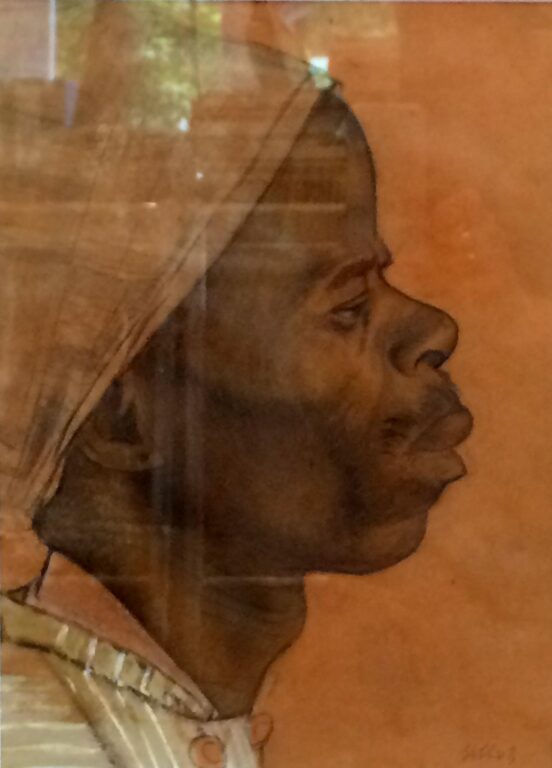
The exhibition opens with a veristic, finely executed drawing of a Black African by the Karlsruhe artist Karl Hubbuch (1891-1979). Alongside George Grosz and Otto Dix, Hubbuch is considered one of the key proponents of the German Neue Sachlichkeit (New Objectivity) art movement of the 1920s and 30s.
Selected graphic works by Pablo Picasso (1881-1973) as well as paintings by the French Surrealist André Masson (1896-1987) offer testimony to how intuition and automatism techniques also found expression in portraiture.
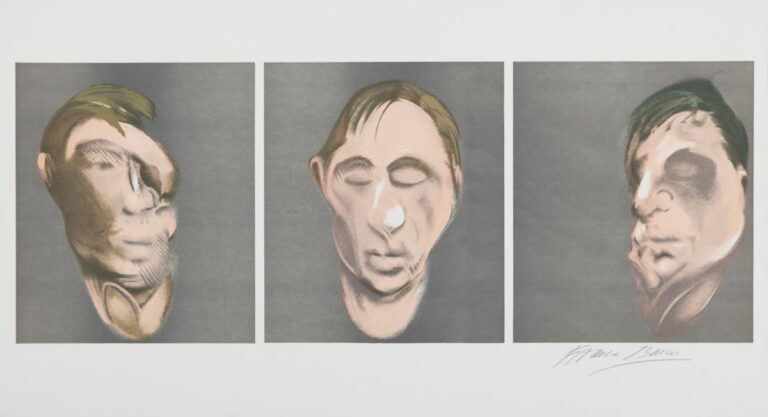
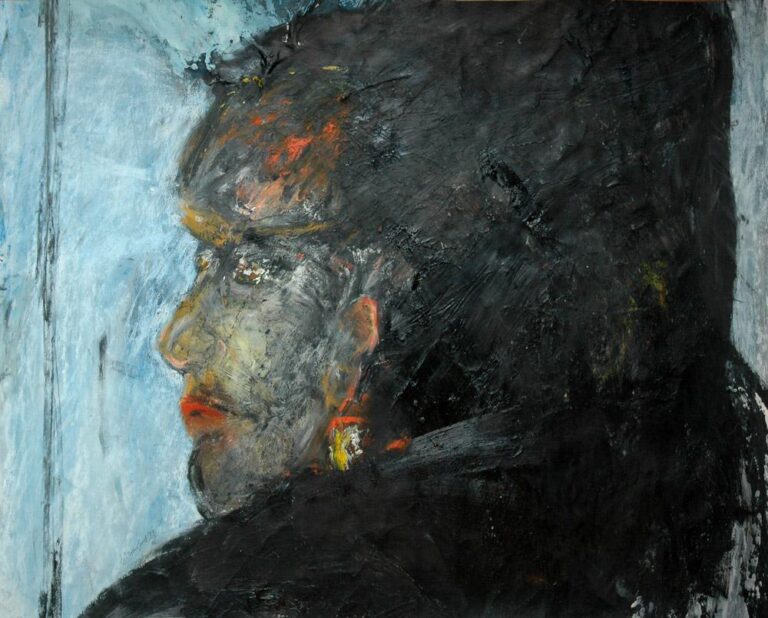
The self-portrait has also been used by artists as a tool for self-exploration and examination, as well as self-stylization and projection. The self-portrait studies by the British painter Francis Bacon (1909-1992) are among the most significant statements of the artist regarding his concept of identity and self; such portraits also appear regularly in the work of the contemporary painters Volker Stelzmann (b. 1940) and Johannes Heisig (b. 1953).
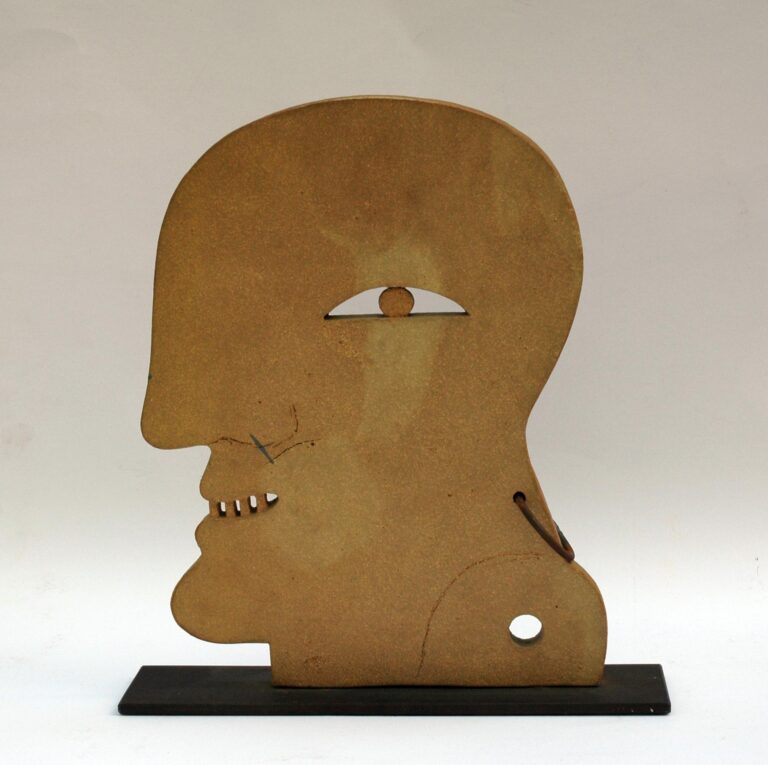
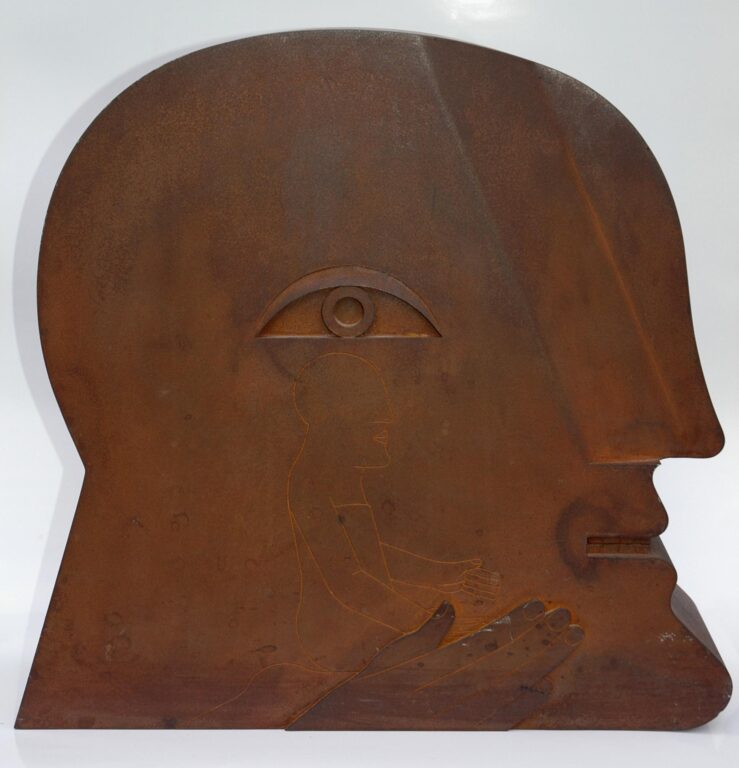
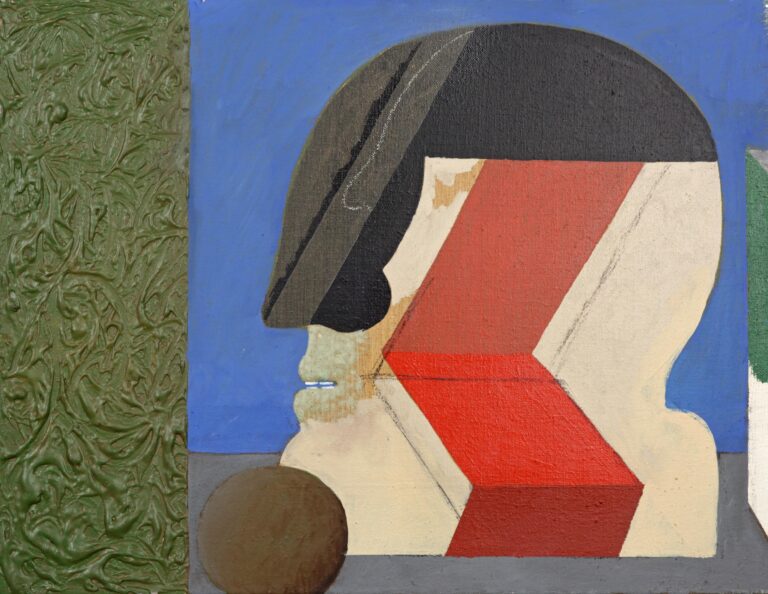
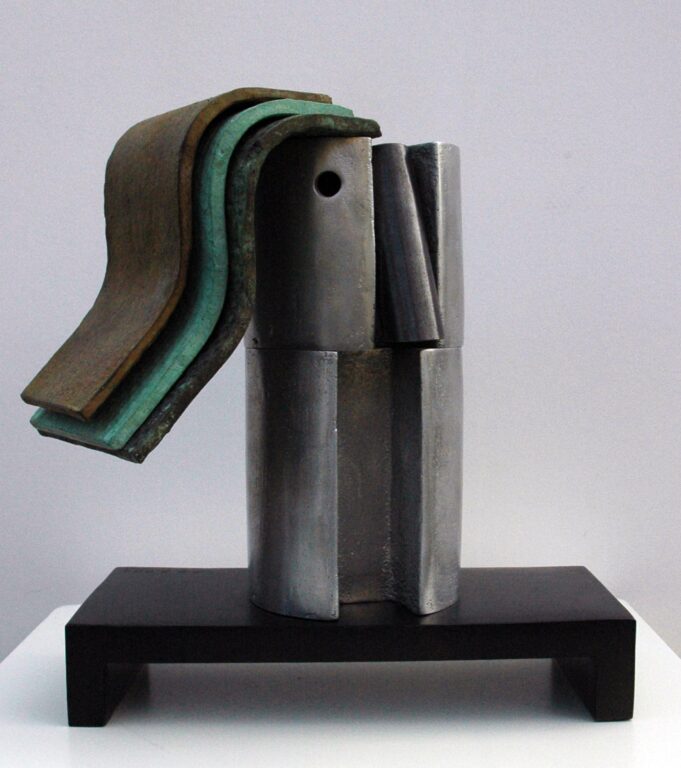
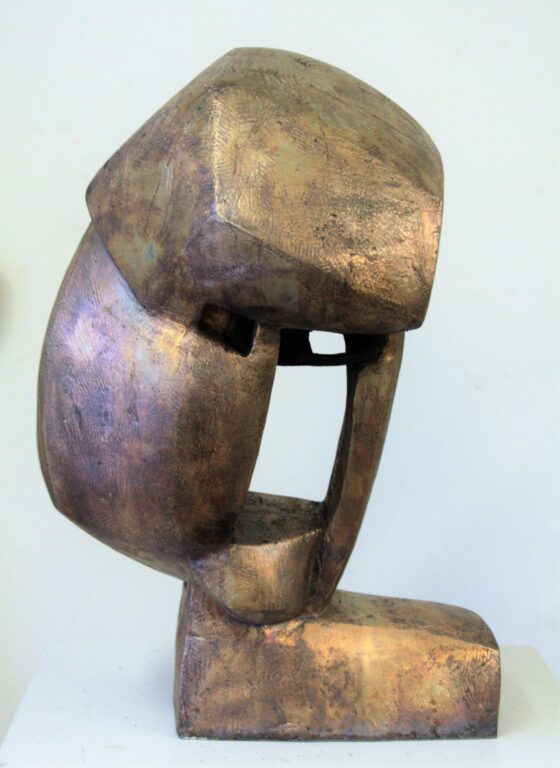
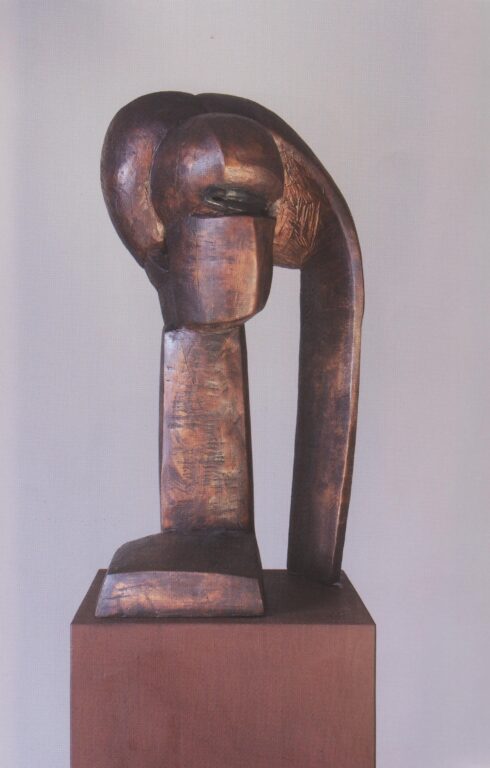
A broad number of pieces reveal a formal compositional method in the representation of the head. Among the extremely varied manifestations are the pieces by the German sculptor Michael Croissant (1928-2002), a former professor at the Städelschule Frankfurt (for 22 years) who reduces the head to the most schematic extremes, and the paintings by the Dresden native Max Uhlig (b. 1937) who, so to speak, “fluoroscopes” heads via the superimposition of ever-darker brushstrokes.
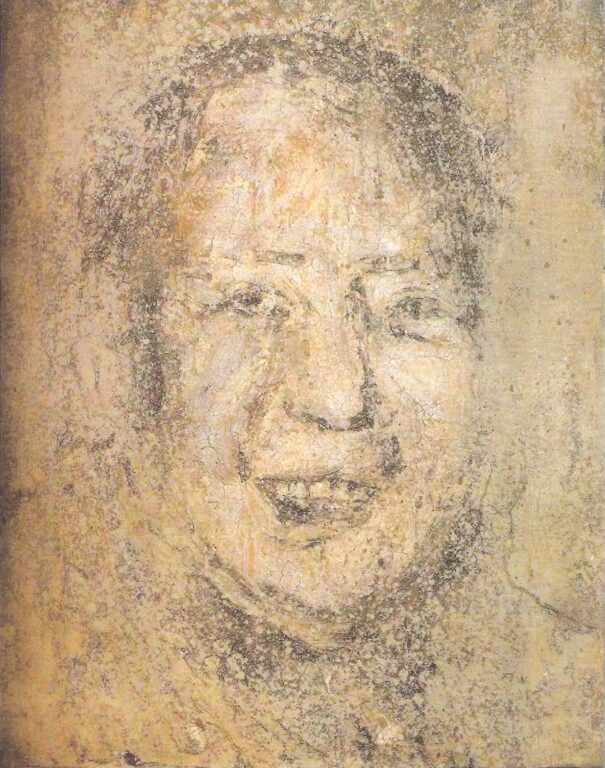
Anselm Kiefer (b. 1945) uses his characteristic technique to presents Mao. The representational likeness of the dictator, typical of that once found in many official offices and public squares across China, is rendered in a stage of weathered degradation. The painting was created following Kiefer’s trip to China (1998/1999), and is part of the work series entitled Lasst 1000 Blumen blühen (“Let a Thousand Flowers Bloom”), which thematizes the decline of Mao and the Cultural Revolution.
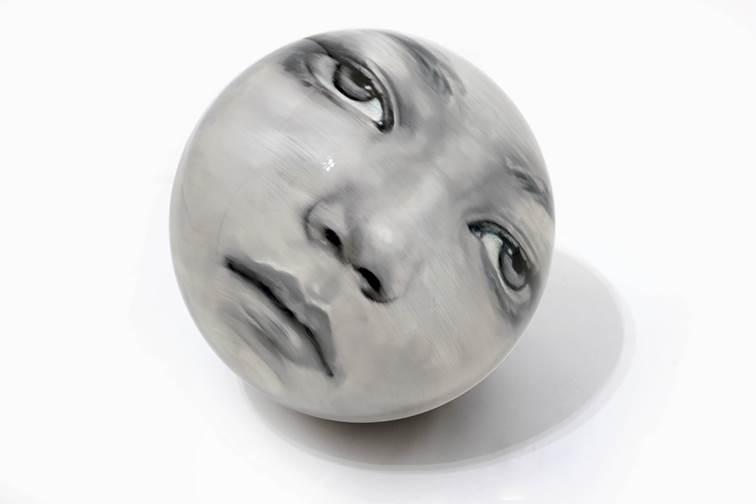
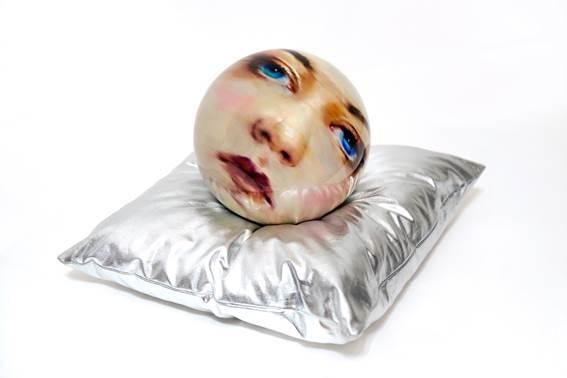
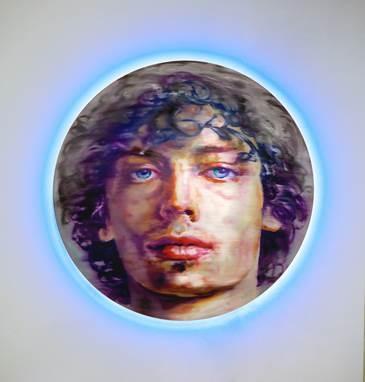
Clearly political artistic statements stand in juxtaposition with paintings that are innately private, paintings that seek the attention of the viewer but, even as they openly reveal themselves, divulge nothing beyond their apparent guise. This is true of the monumental “twin portraits” of the Berlin-based Italian painter Andrea Ventura (b. 1968) as well as of the small portraits from the work series Blicke (“Glances”) by the Frankfurt portraitist Constanza Weiss (b. 1967).
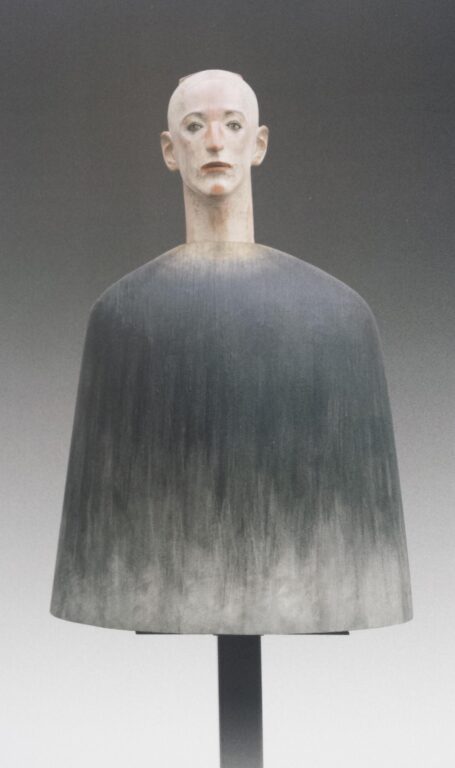
The Japanese artist Katsura Funakoshi (b. 1951) enjoys great international esteem as one of the most idiosyncratic sculptors of the contemporary art world. His poetically calm figures – carved from fragrant camphor wood, partially painted, and embedded with marble eyes that stare aloofly into emptiness – appear oddly other-worldly and timeless.
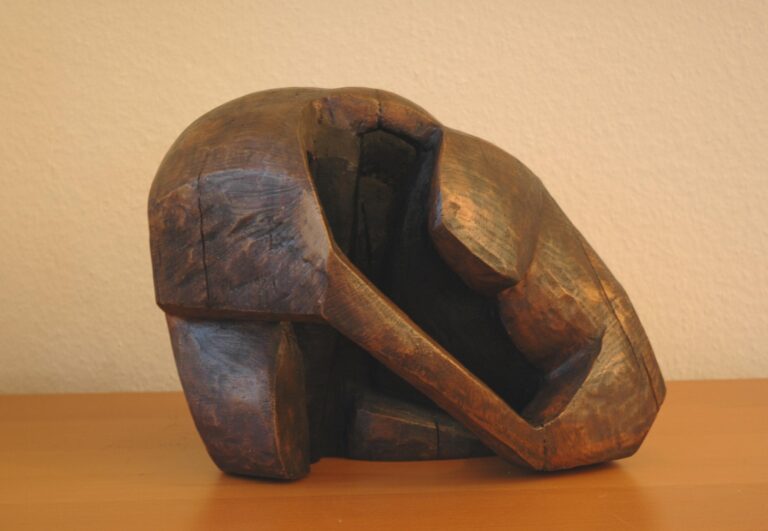
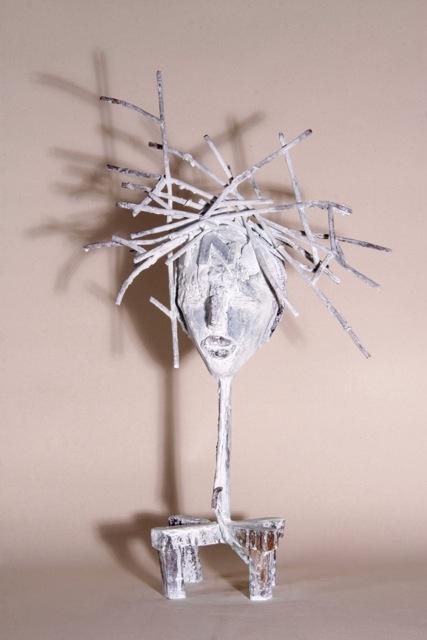
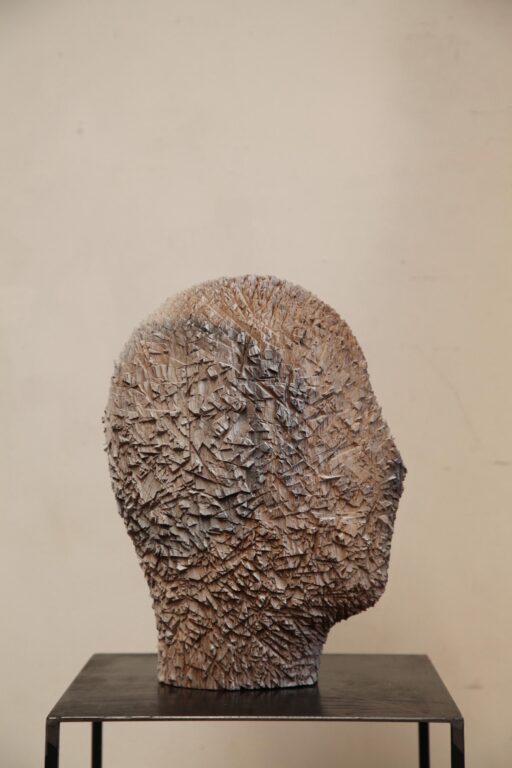
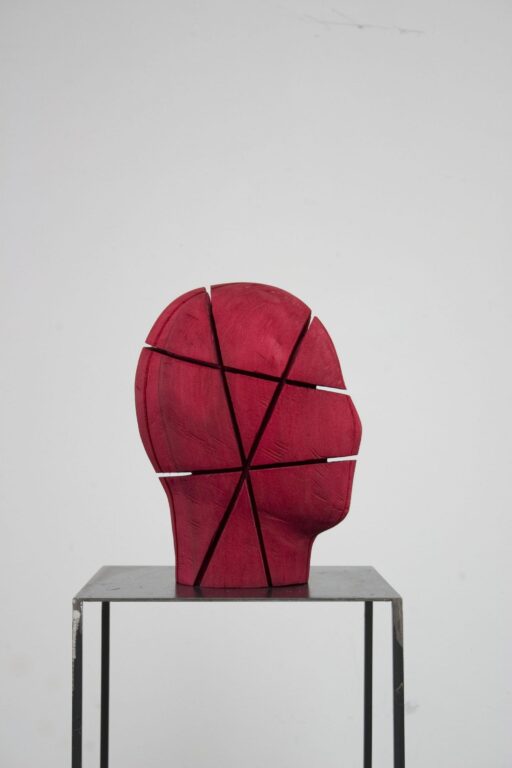
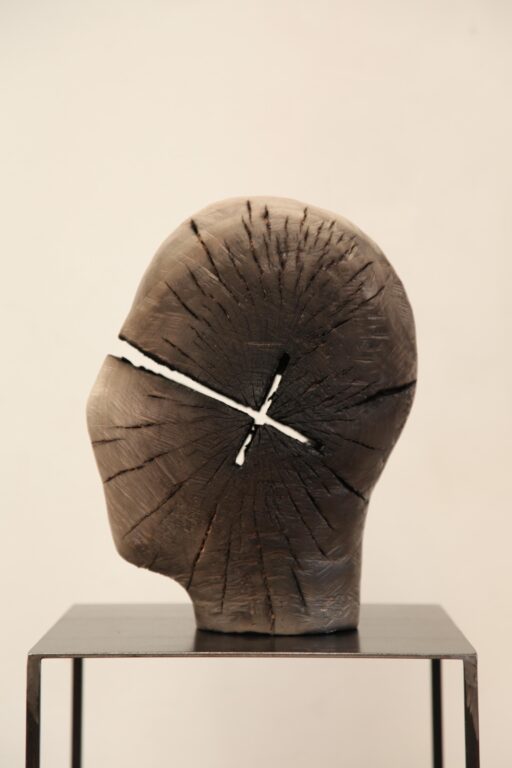
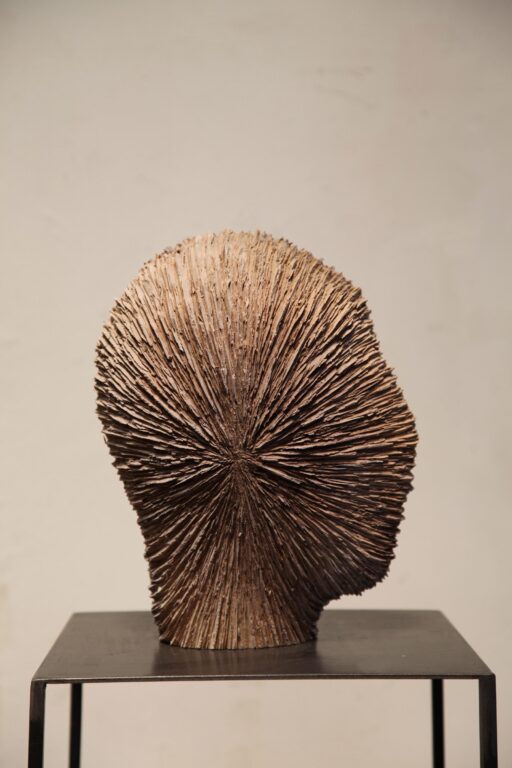
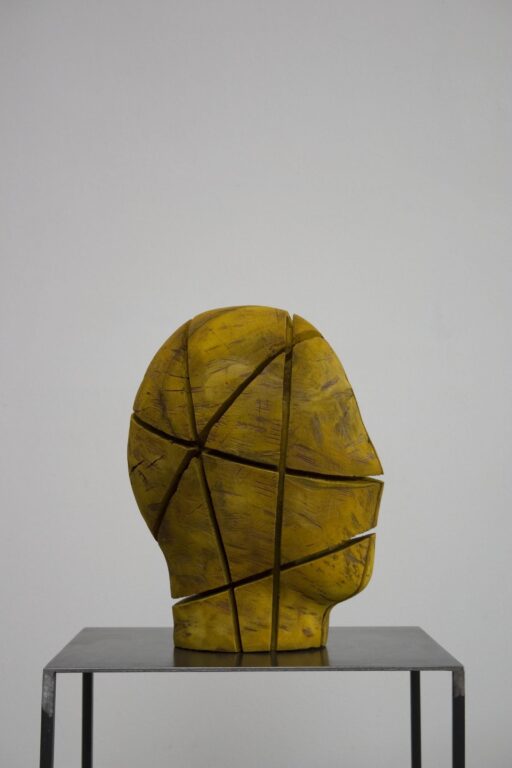
Two other artists of the exhibition also have their own personal approaches to the base material of wood. For years now, the Austrian Alfred Haberpointner (b. 1966) has cut, sawn, and colored heads of the same basic structure. The German sculptor Reinhard Voss (b. 1959), on the other hand, cuts his tabular reliefs of heads from glued-together laths of wood to create countenances of sovereignly graphic impact that he takes even a step further through the application of targeted overpainting.
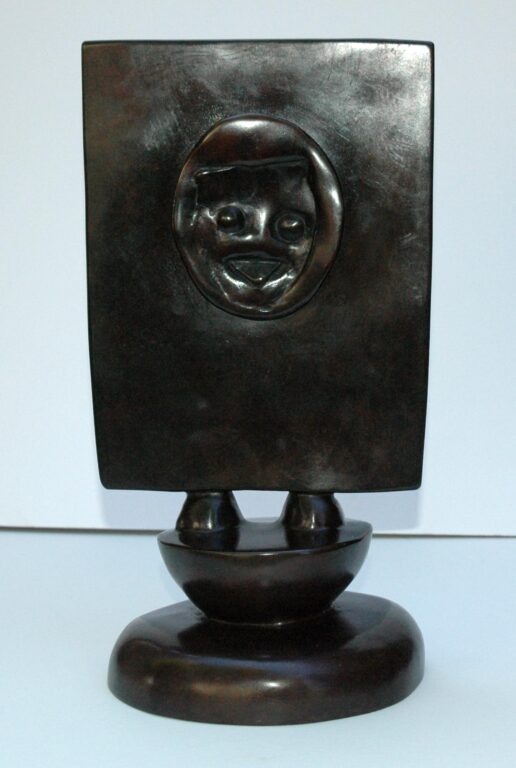
The sculptors Dietrich Klinge (b. 1954) and Eckhard Kremers (b. 1949) devote themselves to the material of bronze, creating sculptures of heads that convey an archaic beauty.
Europe, the reunification of Germany, and human rights have been topics of the work of the Düsseldorf painter Bernd Schwarzer (b. 1954) for decades. His approach involves the liberal use of color in a multi-year process of untold layers of spackled, painted, and dabbed impasto oil paint.
The small but colorful bronze sculpture by Markus Lüpertz (b. 1941), entitled Heinrich IV [“Henry IV”], bears the unmistakable and distinctive stylistic traits of the eccentric painter.
The vividly colorful, sensorial and forceful portraits of women by the Vienna-based artist Saša Makarova (b. 1966) fall within the tradition of postmodern Expressionism; the boisterous stroke of her paintbrush conveys both a passion for painting as well as an inimitable expressiveness that merge to imbue her figures with enlivening emotion and character.
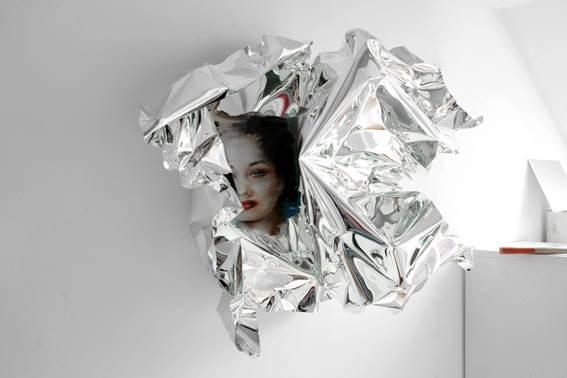
The series Hidden Treasures (H.T.) by the Austrian artist Martin C. Herbst (b. 1965) delves into the mysteries of the reflection. Due to the convex of the reflecting aluminum, the painting itself is revealed only in part or only comes fully to the fore through its own reflection. Likeness and reflection are fused together and transform an almost tactile form of painting into an ephemeral and visual experience.