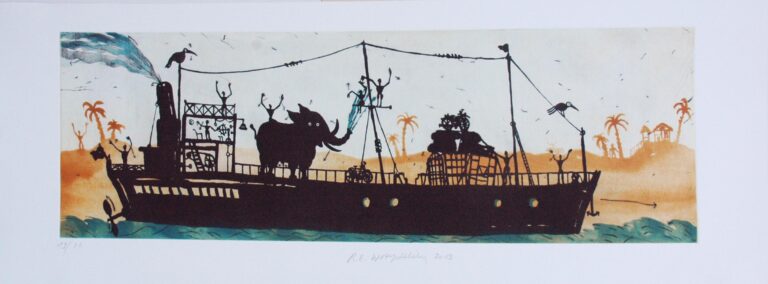
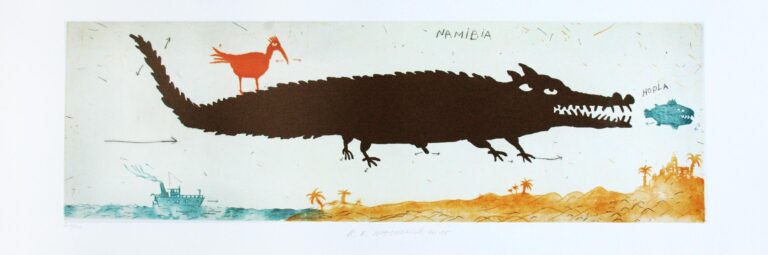
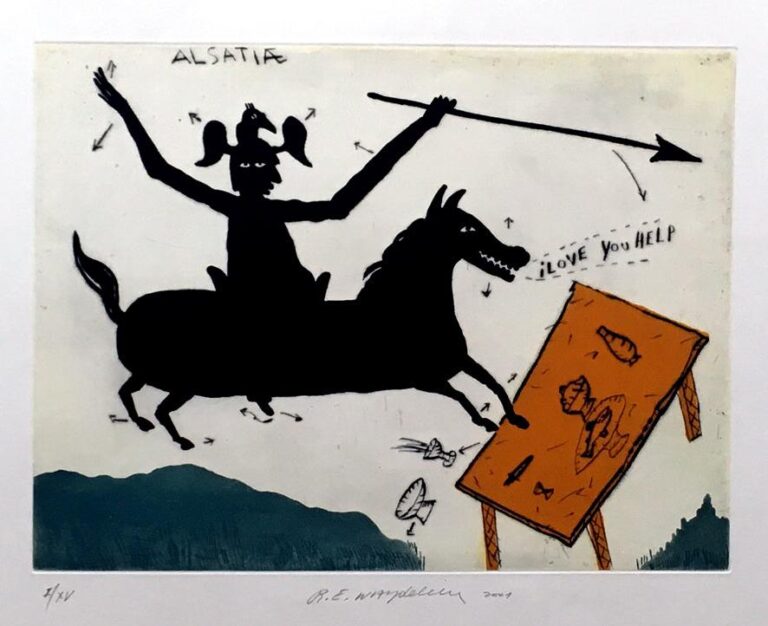
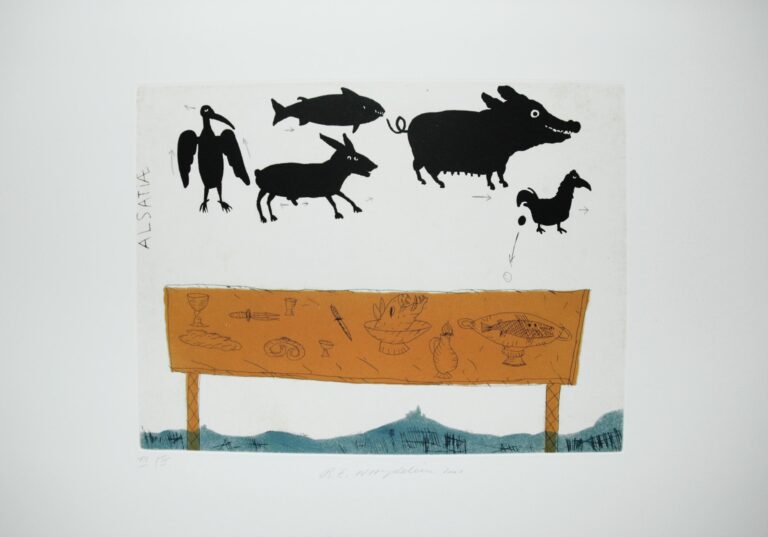
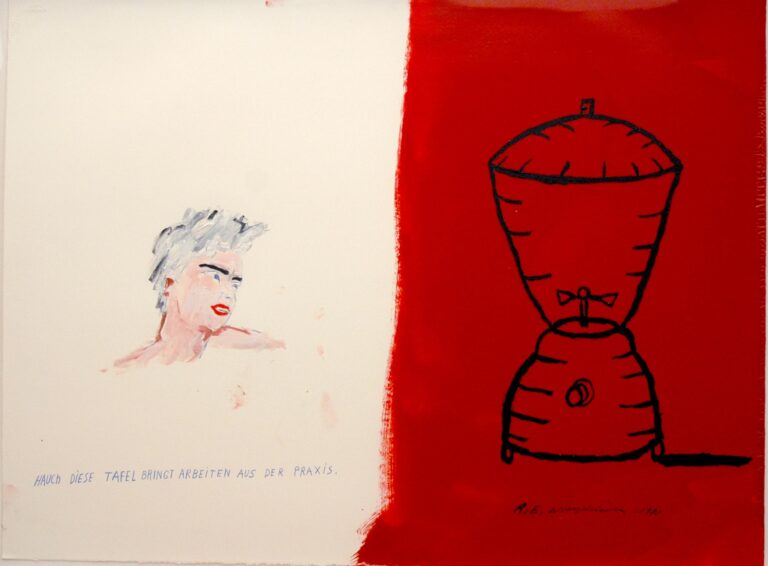
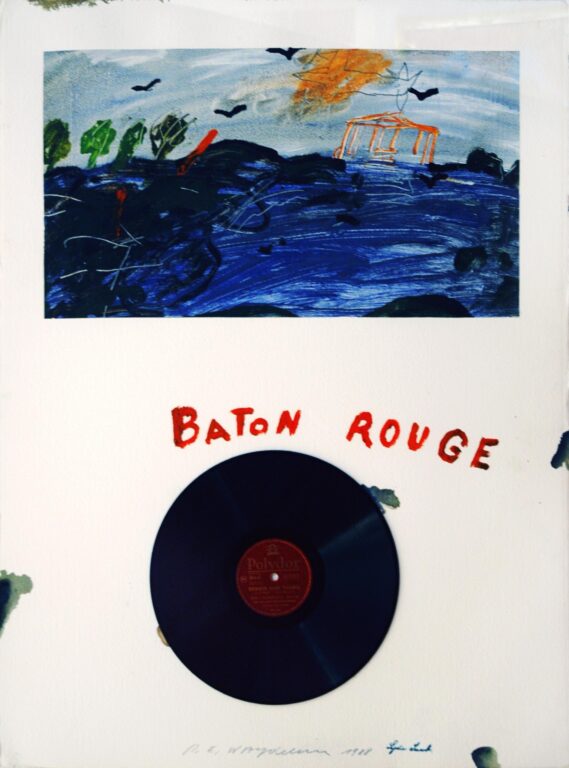
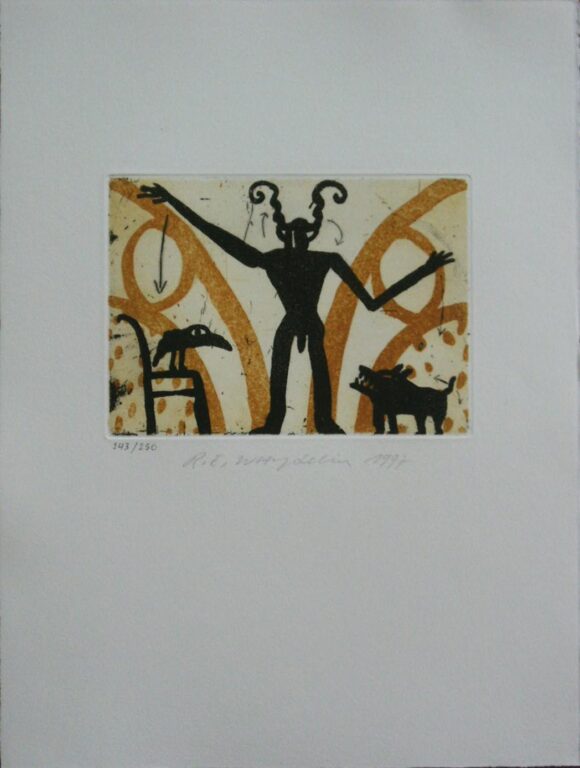
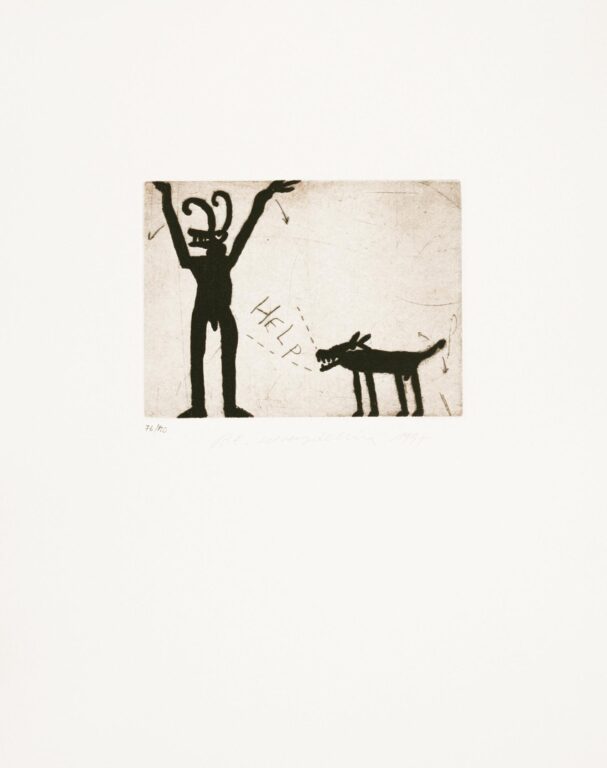
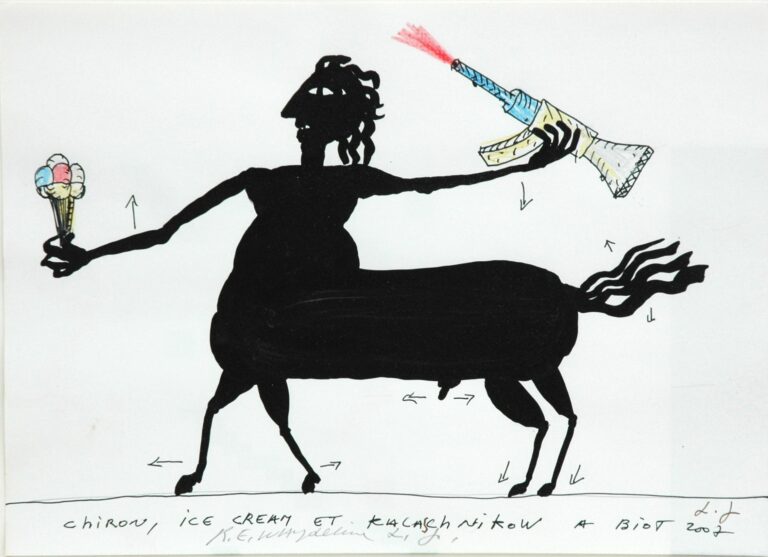
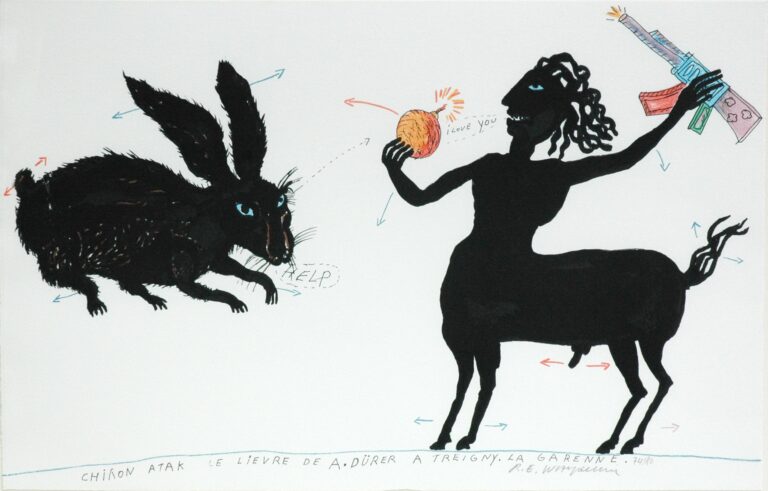
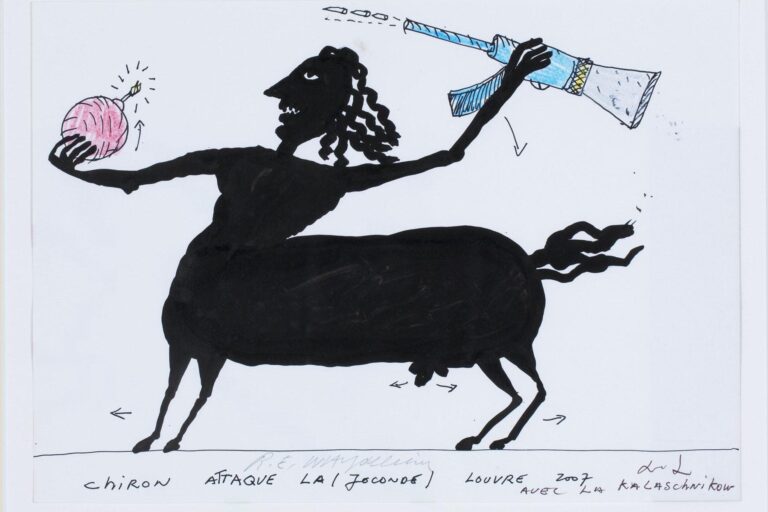
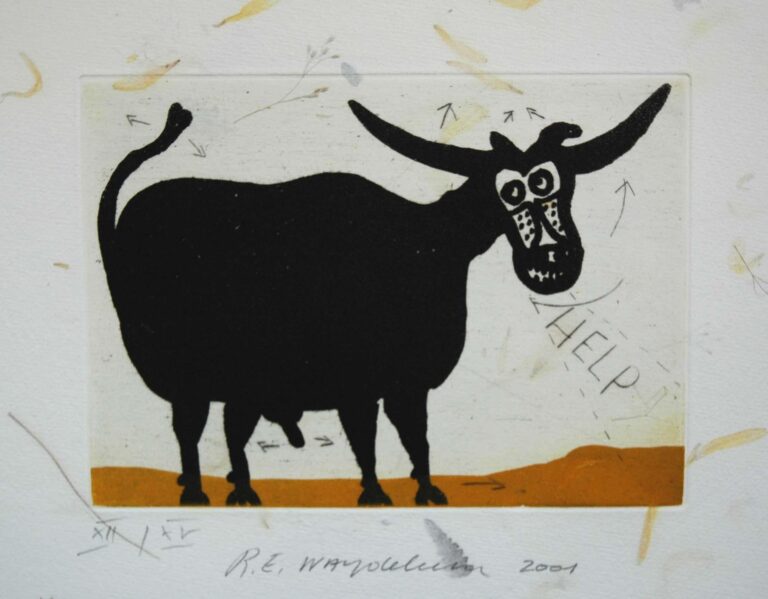
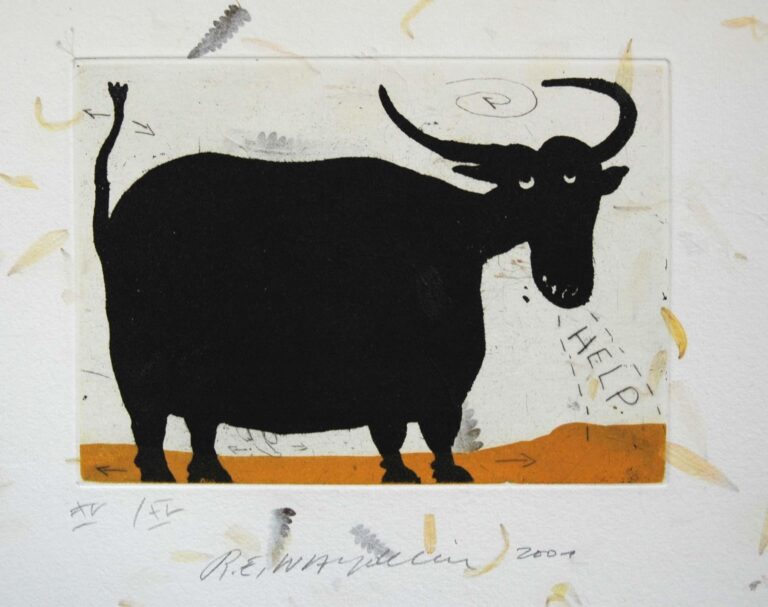
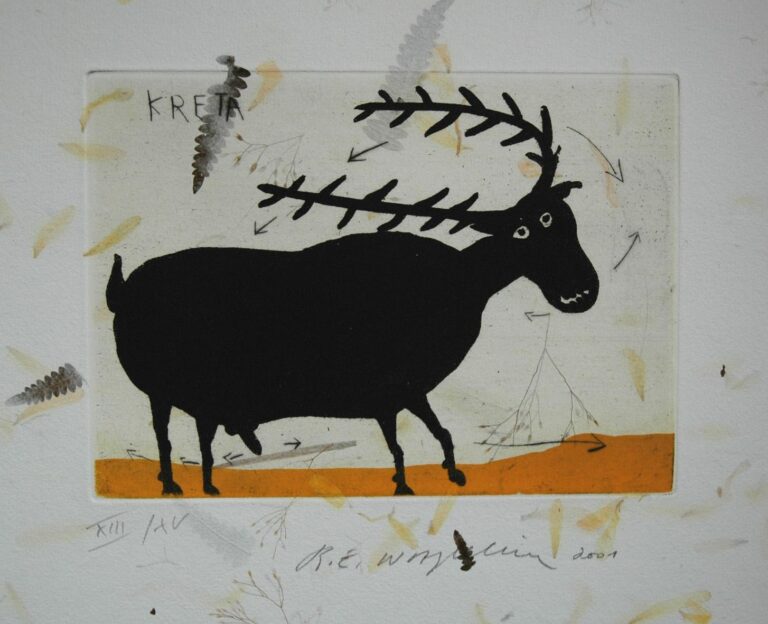
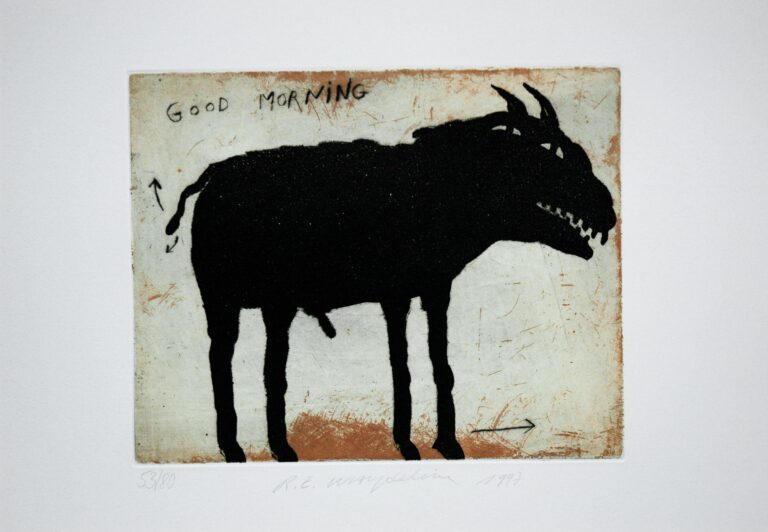
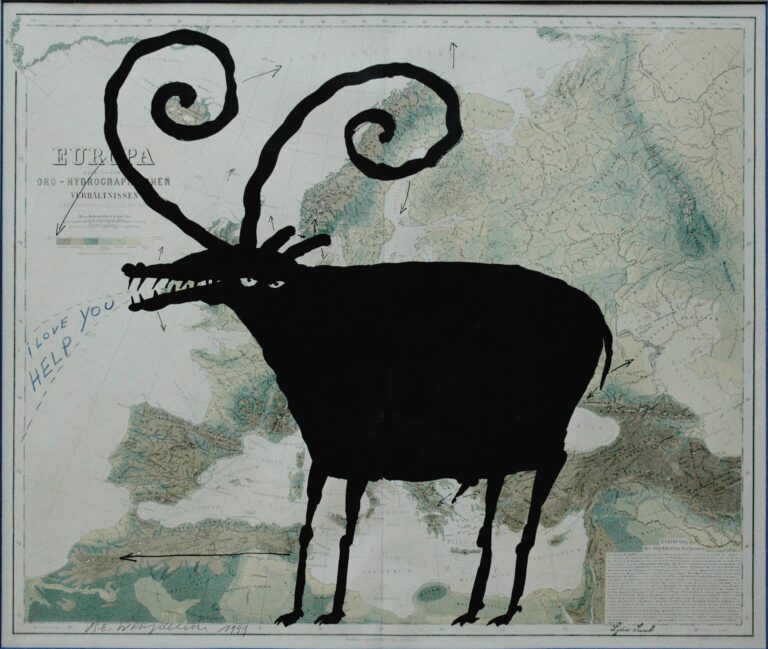
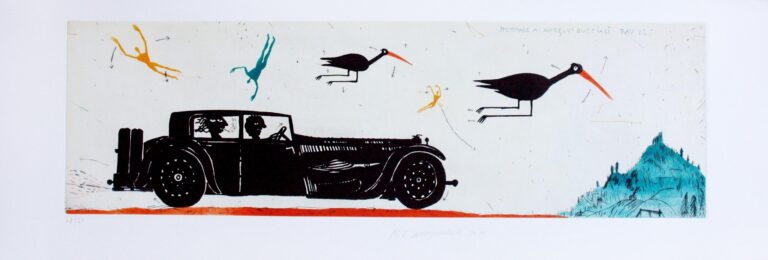
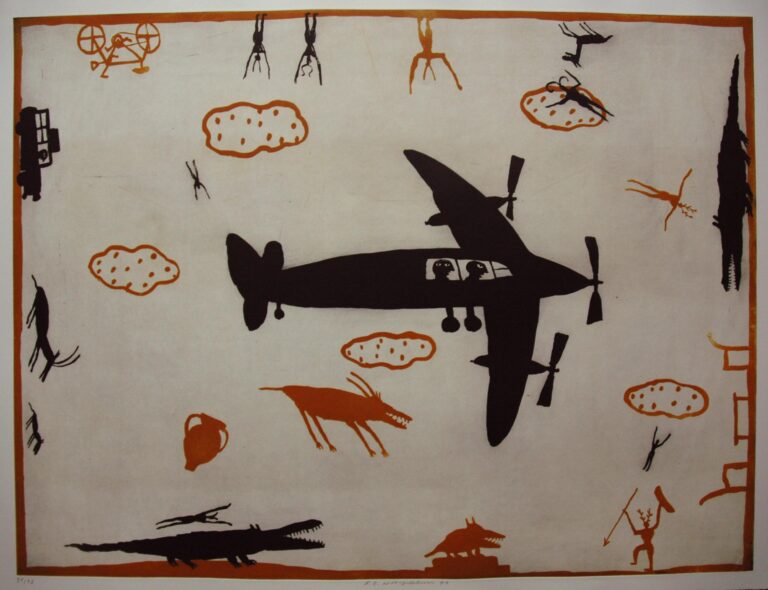
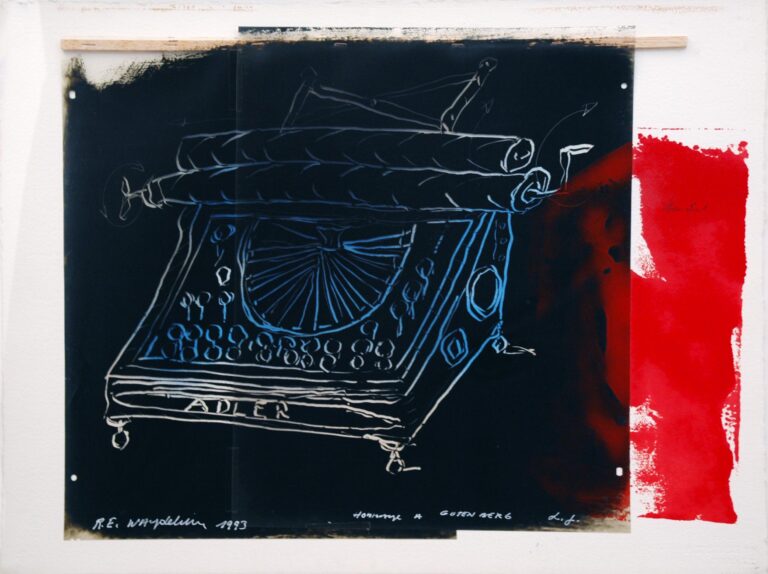
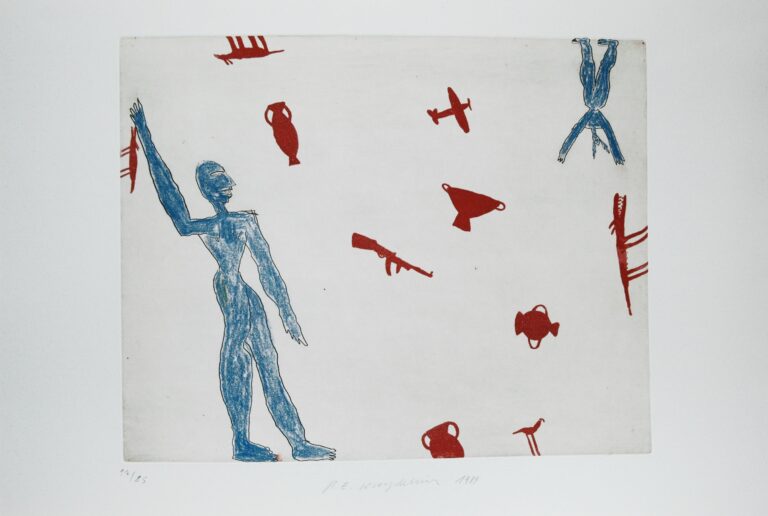
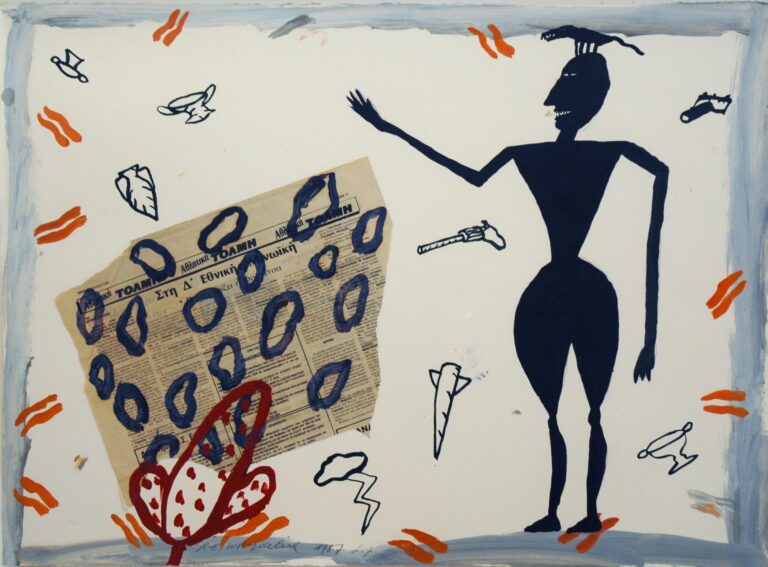
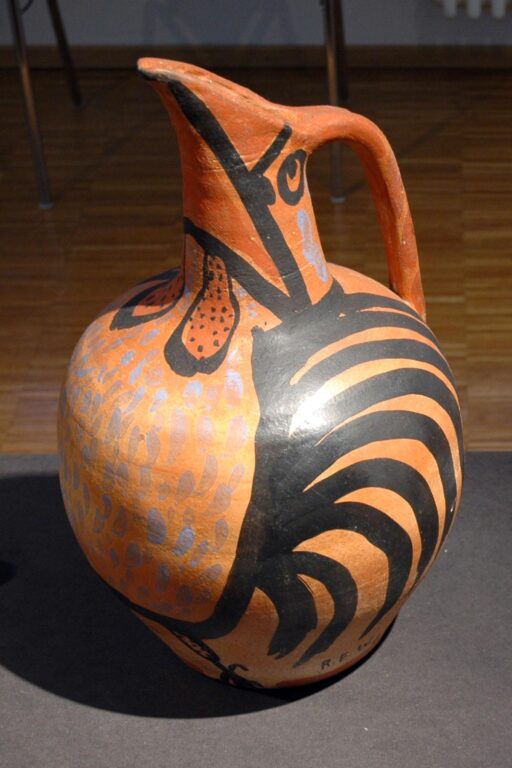
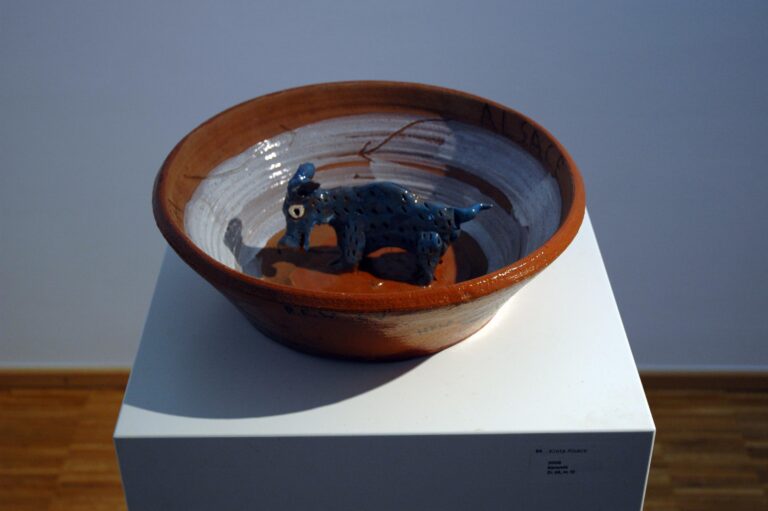
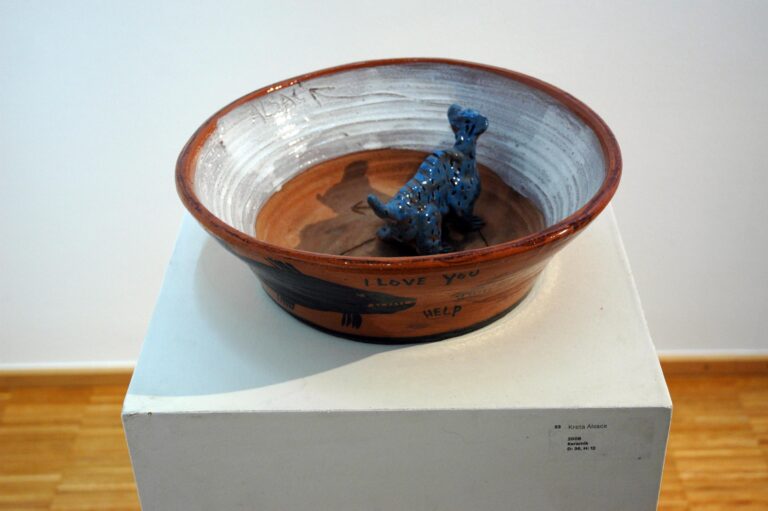
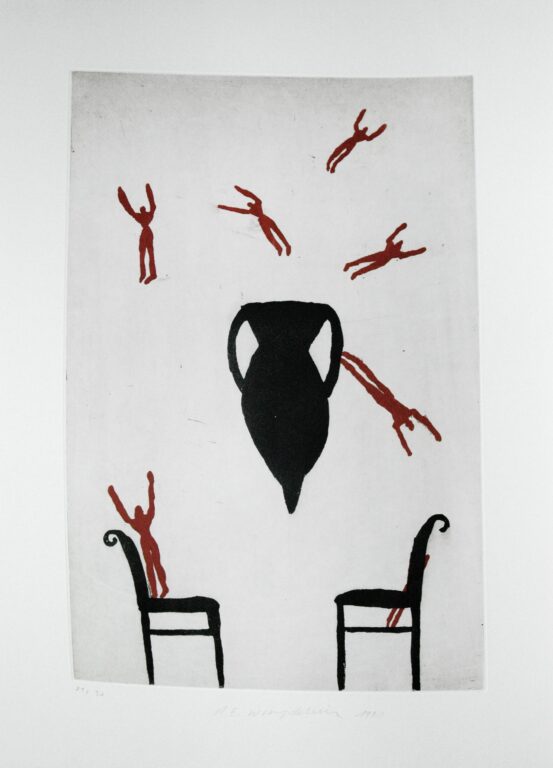
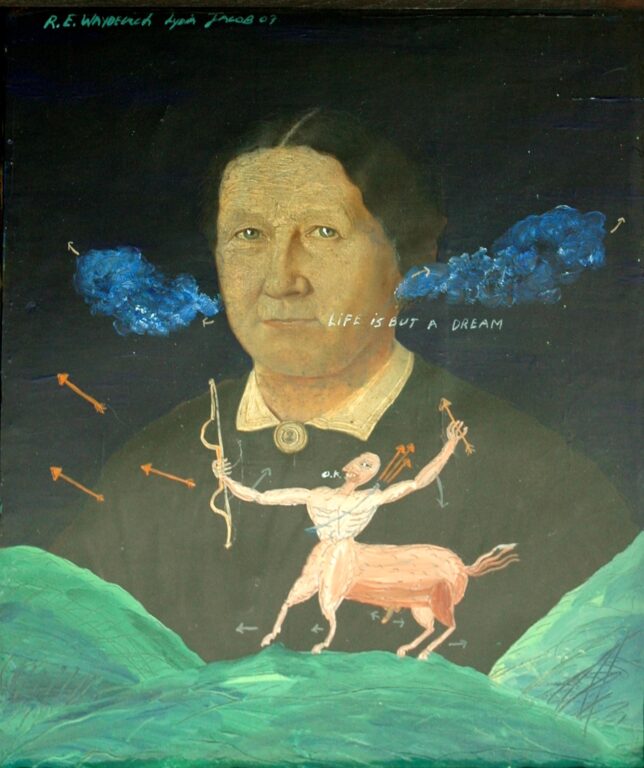
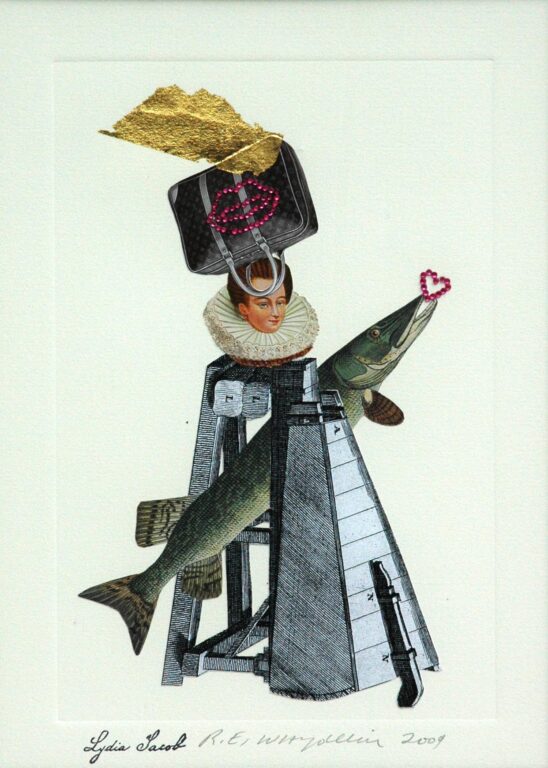
Over the past 40 years, Raymond E. Waydelich (born 1938) has established an artistic reputation of international breadth thanks to his graphic works, shadow boxes, and reworked found paintings. In 1978, he was among the artists selected for the French pavilion at the Venice Biennale. His piece, L’Homme de Frédehof, 2720 after Christ, has been on exhibition at the Uffizi Gallery in Florence since then.
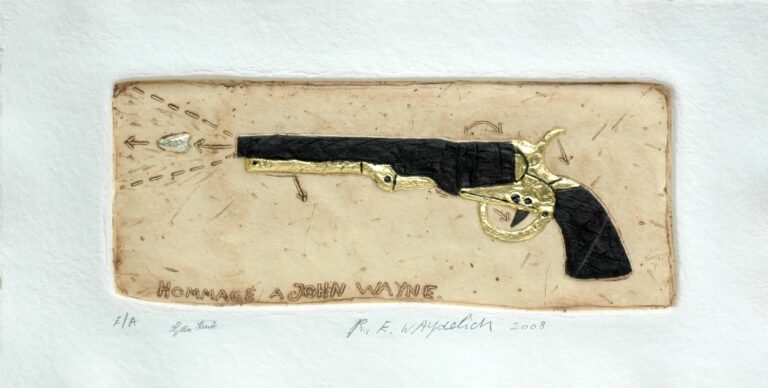
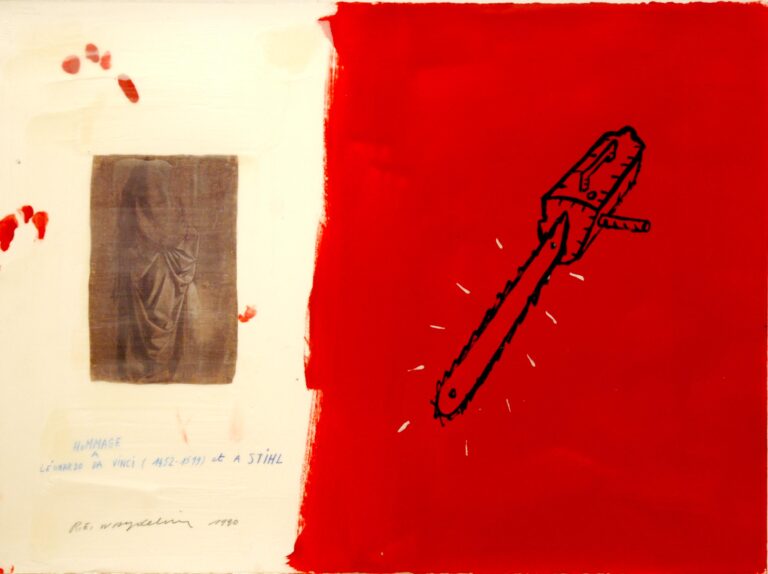
Several thematic threads have continually permeated his œuvre throughout the years: the Lydia Jacob Story, his Memory Paintings, his visual tributes to artists such as Albrecht Dürer and industrial giants like Werner von Siemens, as well as the overarching and unifying topic of travel. He crafts an Archeology of the future within which he lays tracks and traces for our descendents.
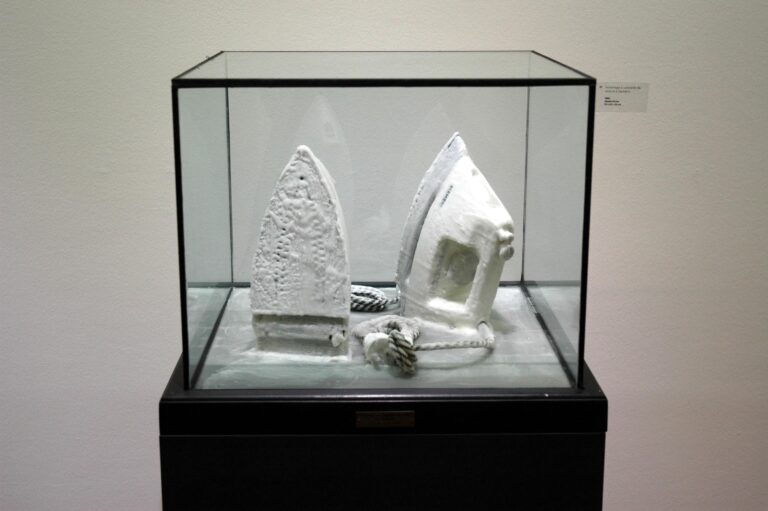
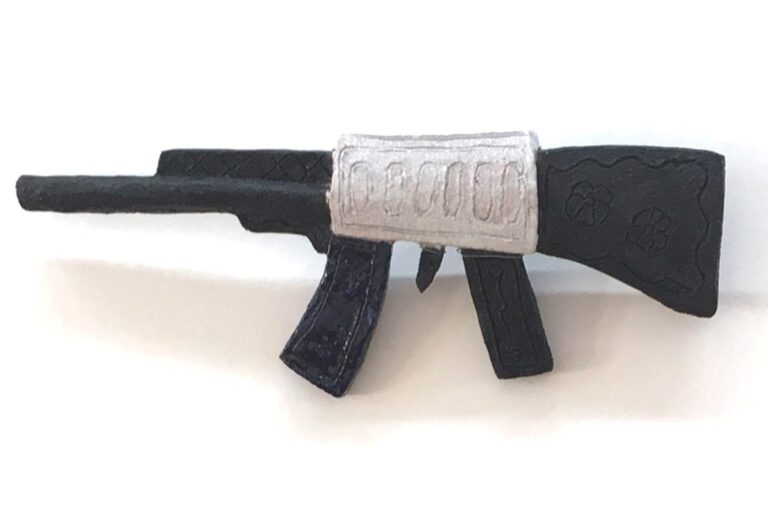
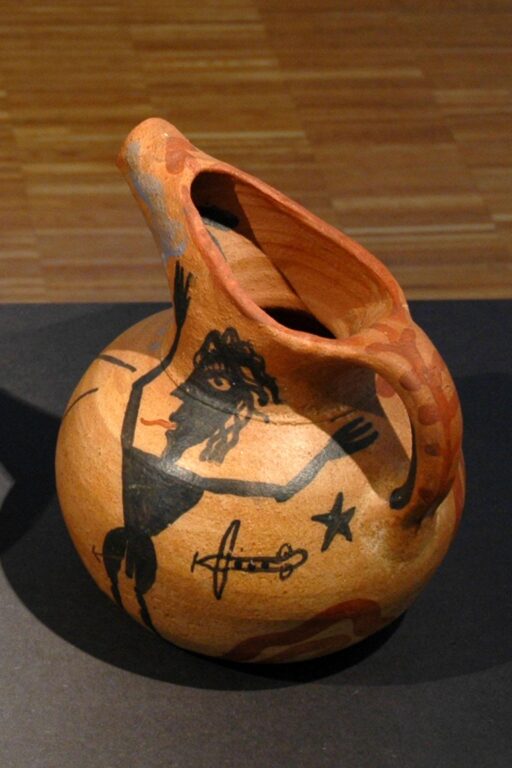
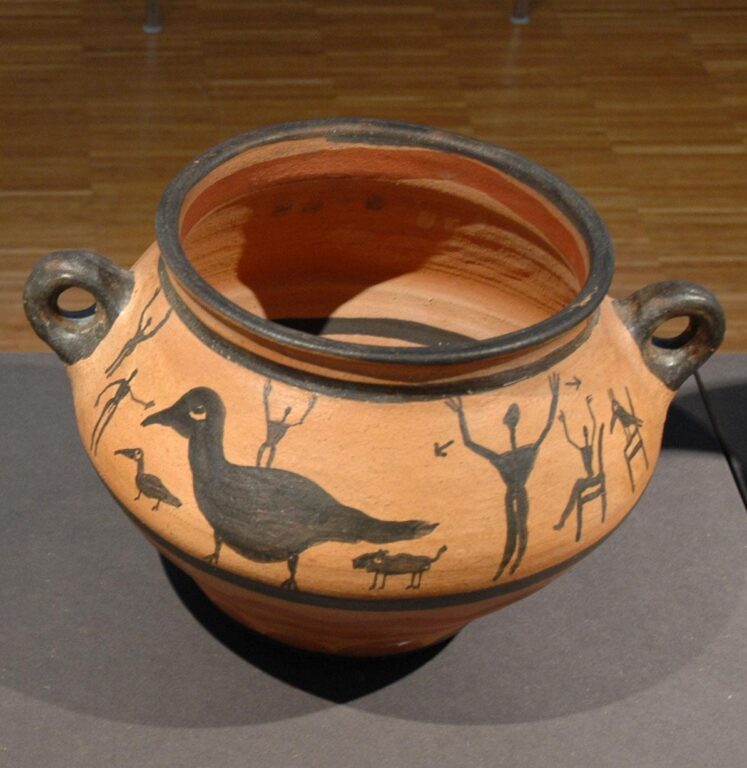
Waydelich is a time traveler who, in the present, conserves items from the past for the future. Personal effects and utilitarian objects – relics of everyday life – are processed, packaged, preserved and made available for future generations. In 1995, Waydelich had a crypt, the Caveau pour le futur excavated in front of the Strasbourg Cathedral within which everyday objects of the present day were subsequently buried in a time capsule meant to be opened in 3790 A.D. The location of Waydelich’s project for the future is now marked by a bronze plaque on Place du Château, the main square of Strasbourg.
Lydia Jacob Story
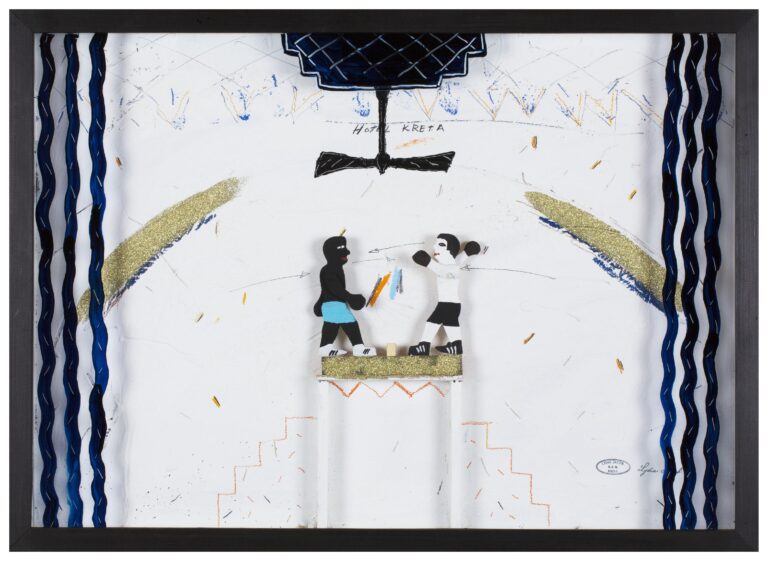
Raymond E. Waydelich cosigns his work with his muse and alter ego, the fashion designer Lydia Jacob. After stumbling upon her diary at the Strasbourg flea market, he was inspired to bring her story to life. To do so, he creates shadow boxes packed with assemblages of found objects such as photographs, feathers, newspaper clippings and/or doll heads and such to engender a fictional genealogy.
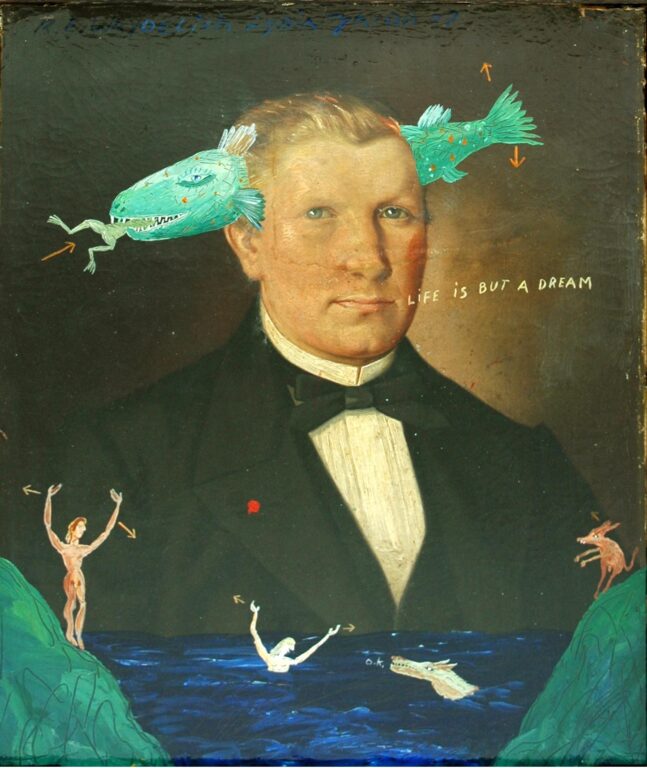
Memory Paintings
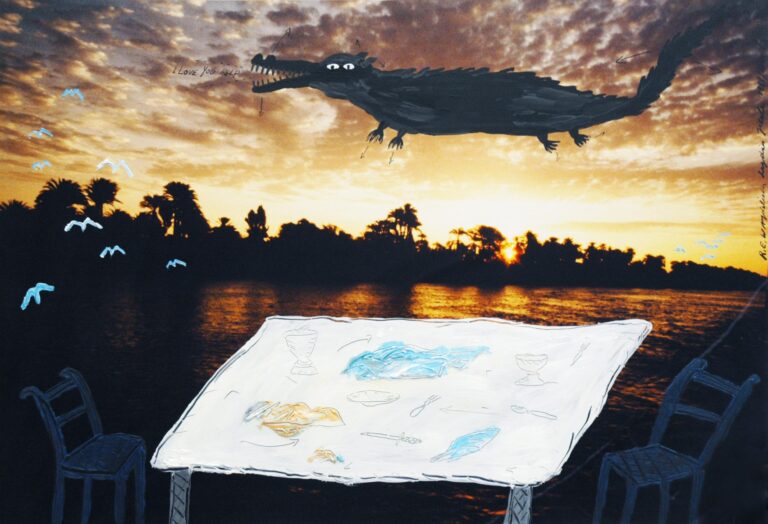
In the Memory Paintings, the works of Old Masters are enlarged by computer and brought to canvas. Waydelich overpaints and altars them with his mythical creatures and humorous sayings. His unique intervention manages to transmogrify the masterpieces of art history into contemporary classics of the 21st century.
Travels
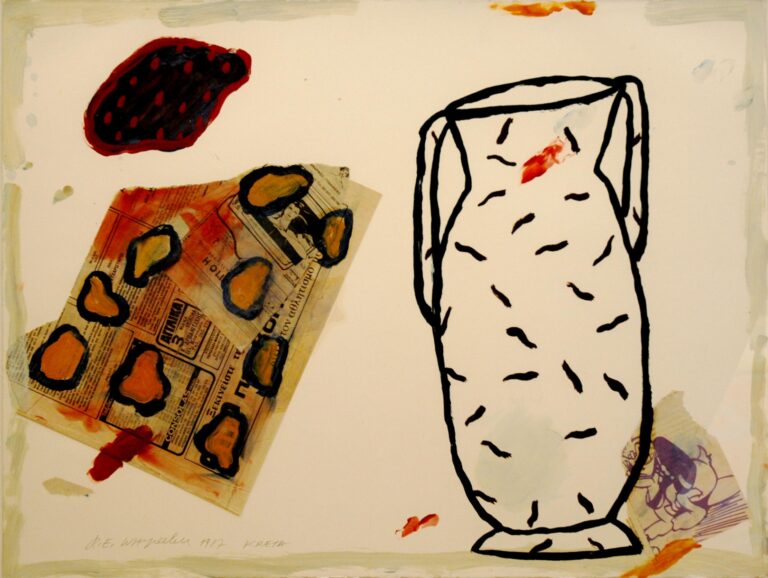
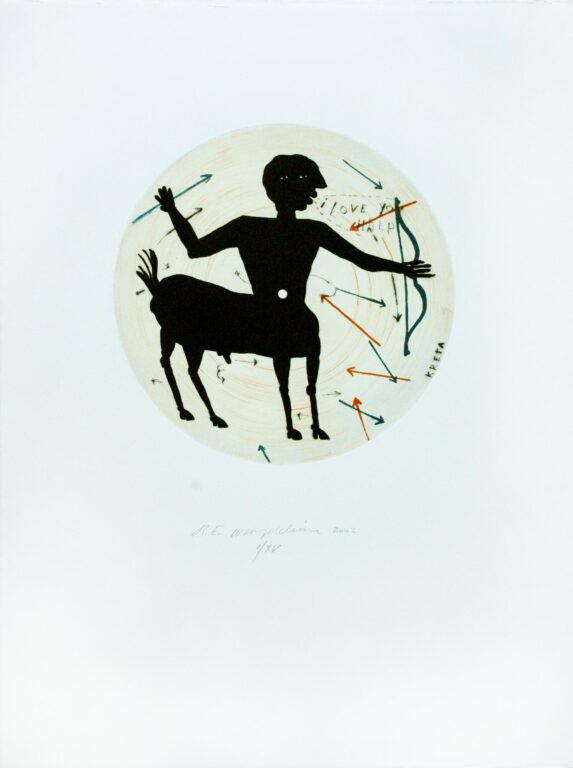
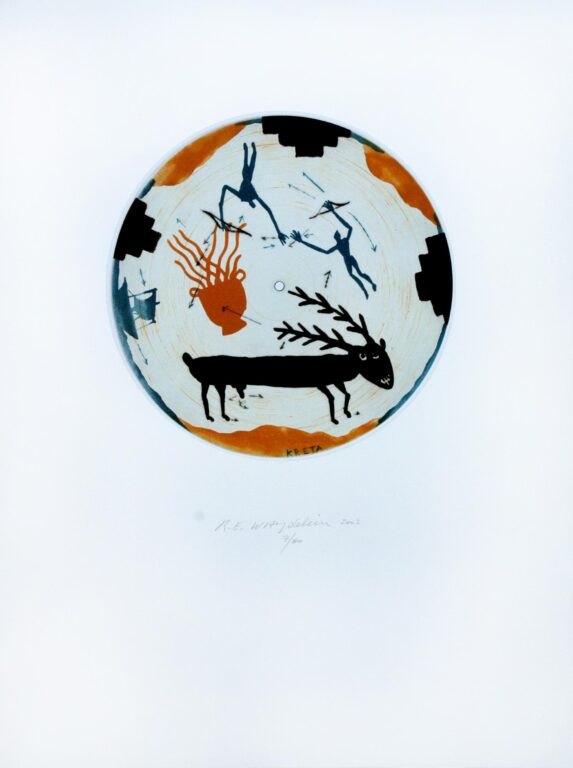
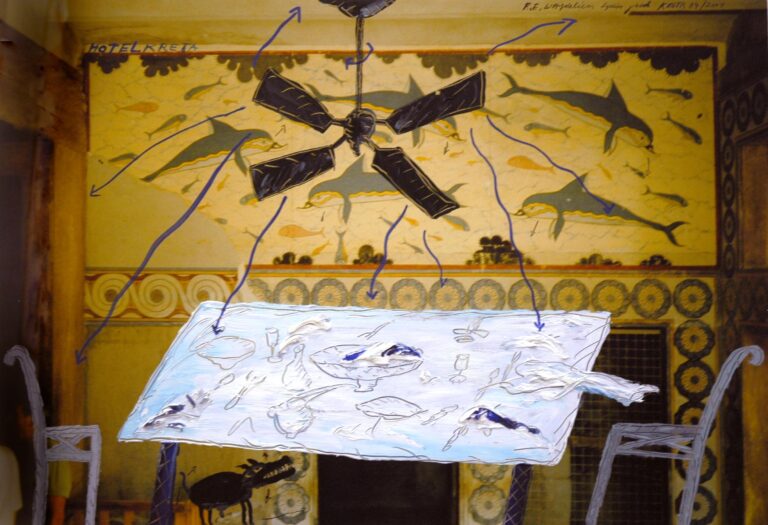
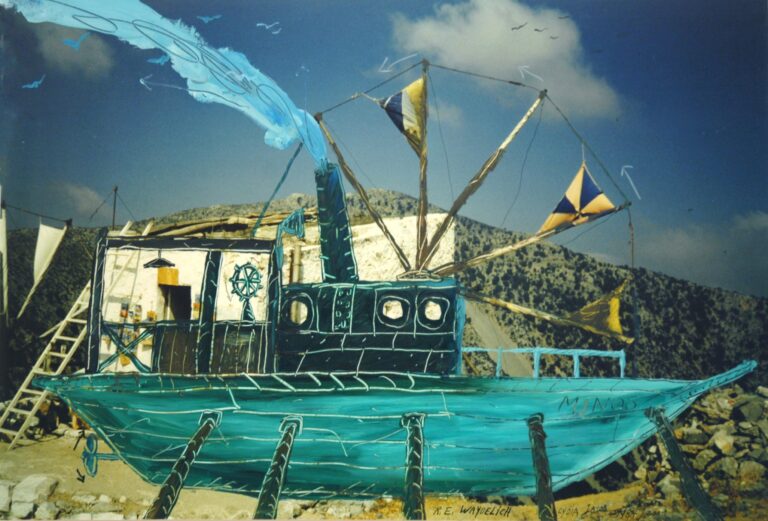
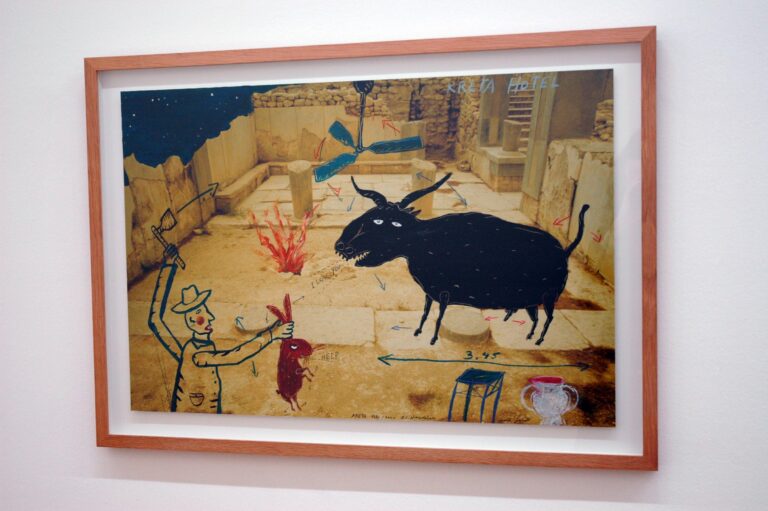
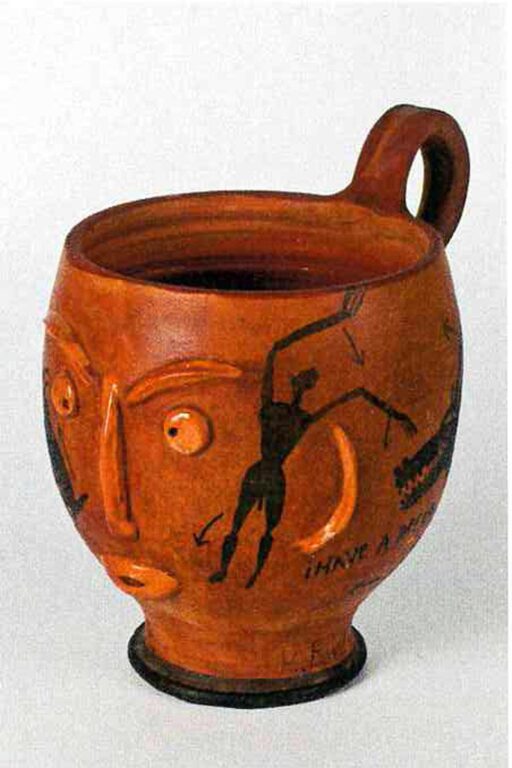
Waydelich also draws inspiration from his travels around the world, ranging from visits to the indigenous Haïda of Canada to the archaeological sites of Greece or Morocco. His series of masks fashioned from Thonet chairs, the classic seats of the European coffeehouse culture, were inspired by African arts and crafts: chair fragments are combined with piano keys, brushes, or buck antlers and reawaked to new life.